Standard Machine Configuration
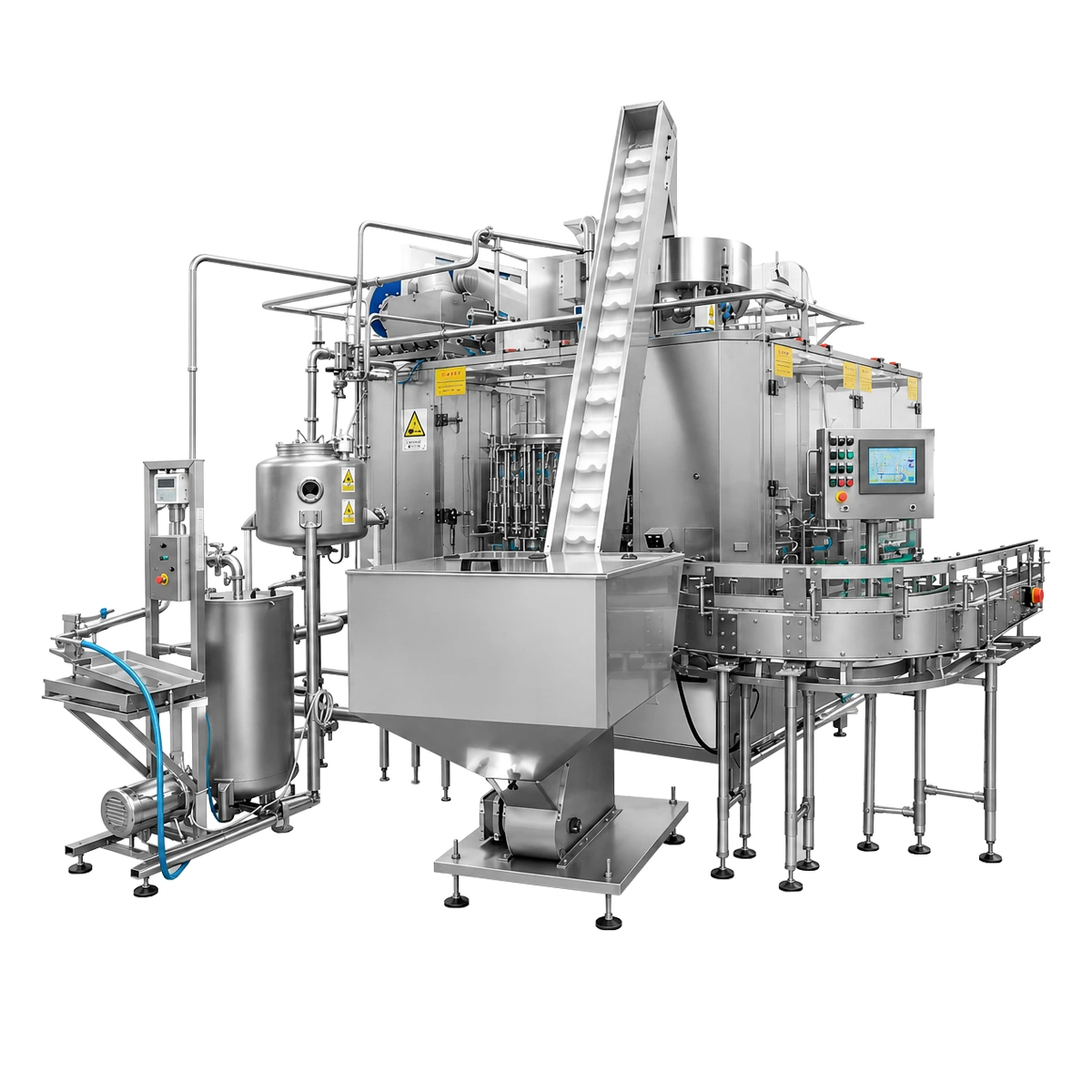
Bottle filling equipment selection normally starts with four key factors: required output, bottle format, available floor space and hygiene requirements. Establishing these parameters early helps narrow the choice between semi-automatic, linear and monobloc filling systems.
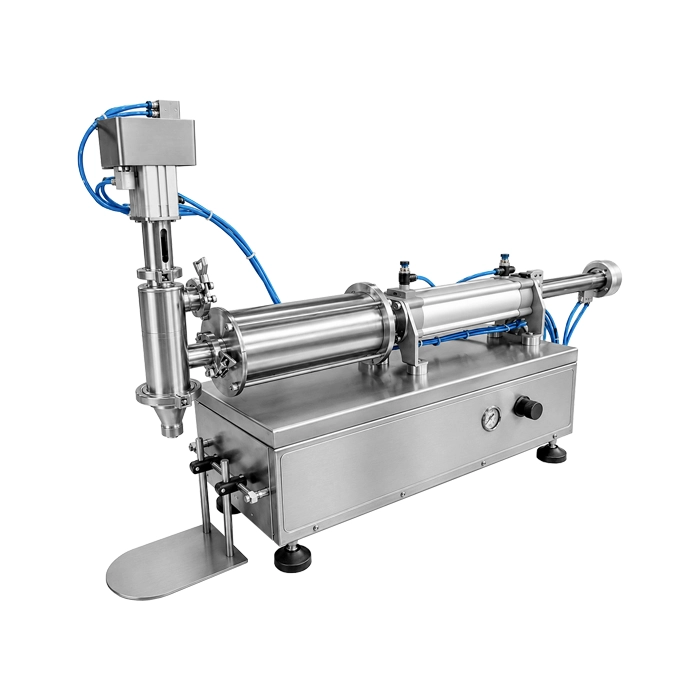
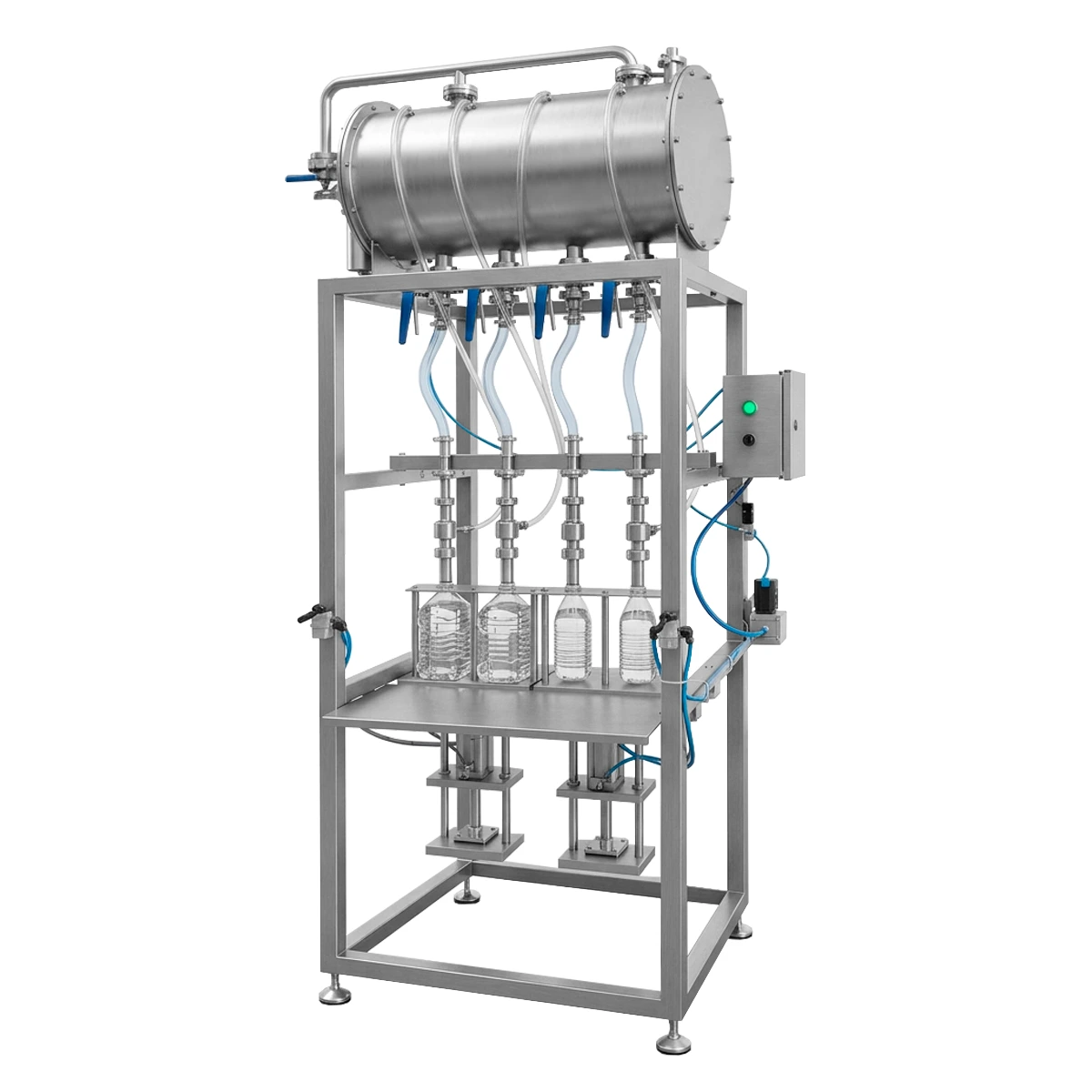
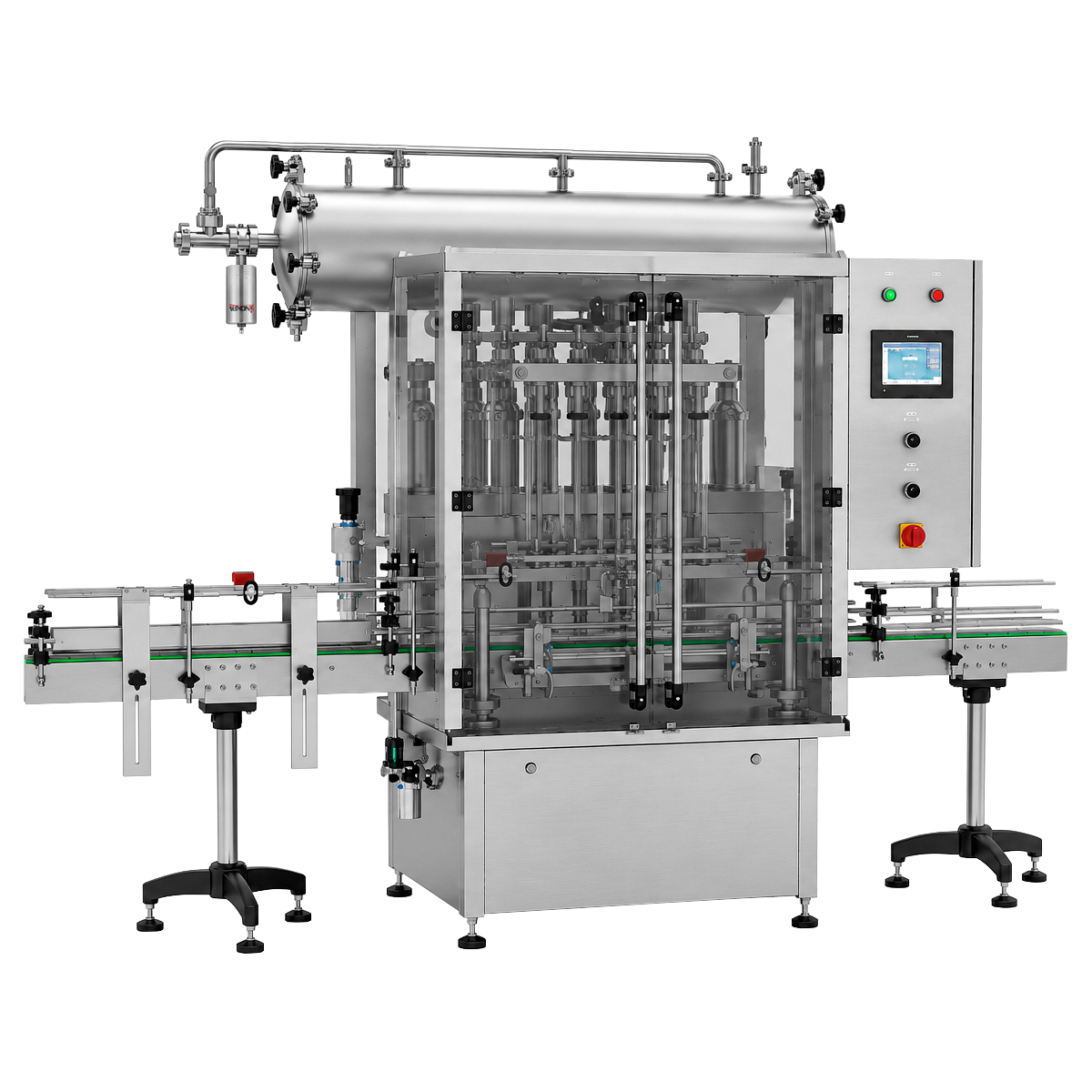
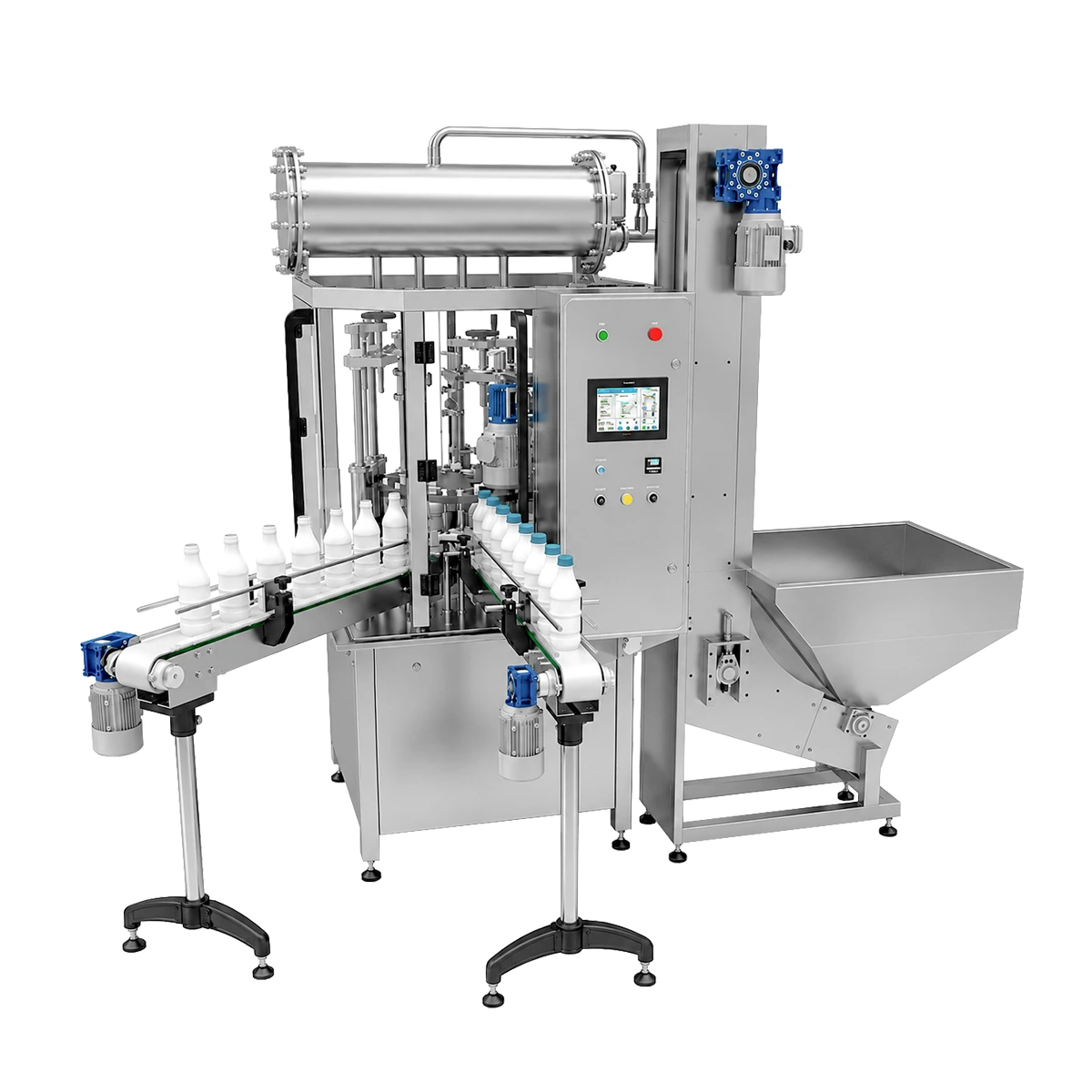
For lower production volumes, a semi-automatic filling machine can provide a practical solution where manual bottle handling remains acceptable. Automatic linear filling machines provide a balance between production output, flexibility and floor space requirements, making them suitable for a wide range of bottling applications. Where higher outputs are required within a compact footprint, a monobloc system can combine multiple packaging operations, such as bottle rinsing, filling and capping, within a single machine platform.
Bottle geometry, closure type, filling accuracy requirements and the desired level of automation also influence machine design and downstream equipment selection.
Optional Equipment
Semi-automatic filling machines are often combined with handheld capping equipment where a simple and cost-effective packaging solution is sufficient. Automatic filling systems can form part of a fully automatic bottling line incorporating bottle handling, capping, labelling, coding and group packaging equipment.
Bottle handling equipment supports the continuous flow of bottles through the packaging line. Depending on the required production output and level of automation, this may include rotary feeding tables, bottle unscramblers and conveyor systems. Rotary feeding tables provide a simple method of bottle accumulation and feeding, while bottle unscramblers automatically orient and transfer bottles onto the conveyor system. As production output increases, bottle unscramblers help maintain a consistent bottle supply while reducing manual handling.
Conveyor selection depends on the bottle design and overall line layout. Table-top chain conveyors are commonly used to transport filled bottles and can accommodate both straight and curved line configurations. Air conveyors are typically used where bottles can be supported by the neck finish and are most commonly applied for empty PET bottle transport before filling.
Applications with higher hygiene requirements may justify additional measures such as bottle rinsing systems, cap treatment modules or Ultra-Clean filling configurations. Bottle rinsing systems are commonly used where additional hygienic control is required before filling. Ultra-Clean systems typically incorporate HEPA-filtered air management and controlled overpressure within the filling area to reduce the risk of product contamination. Product protection requirements may also justify additional options such as inert gas flushing.