





Yoghurt Cup Filling Machines: A Comprehensive Guide
Yoghurt cup filling machines are essential in the dairy processing industry, addressing the growing need for convenient yoghurt packaging. With various yoghurt types—from traditional…

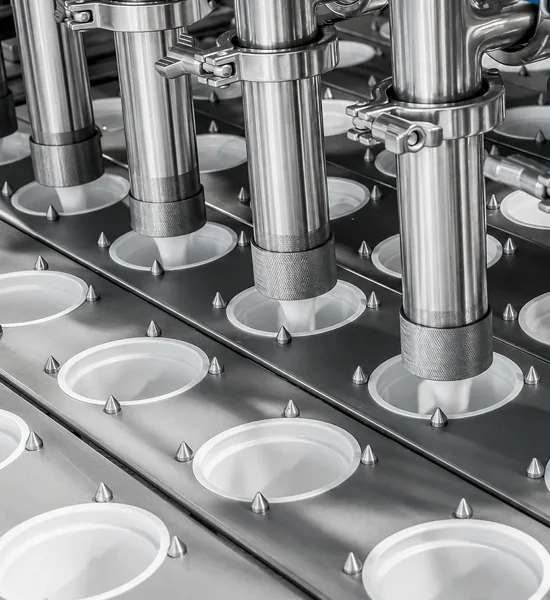
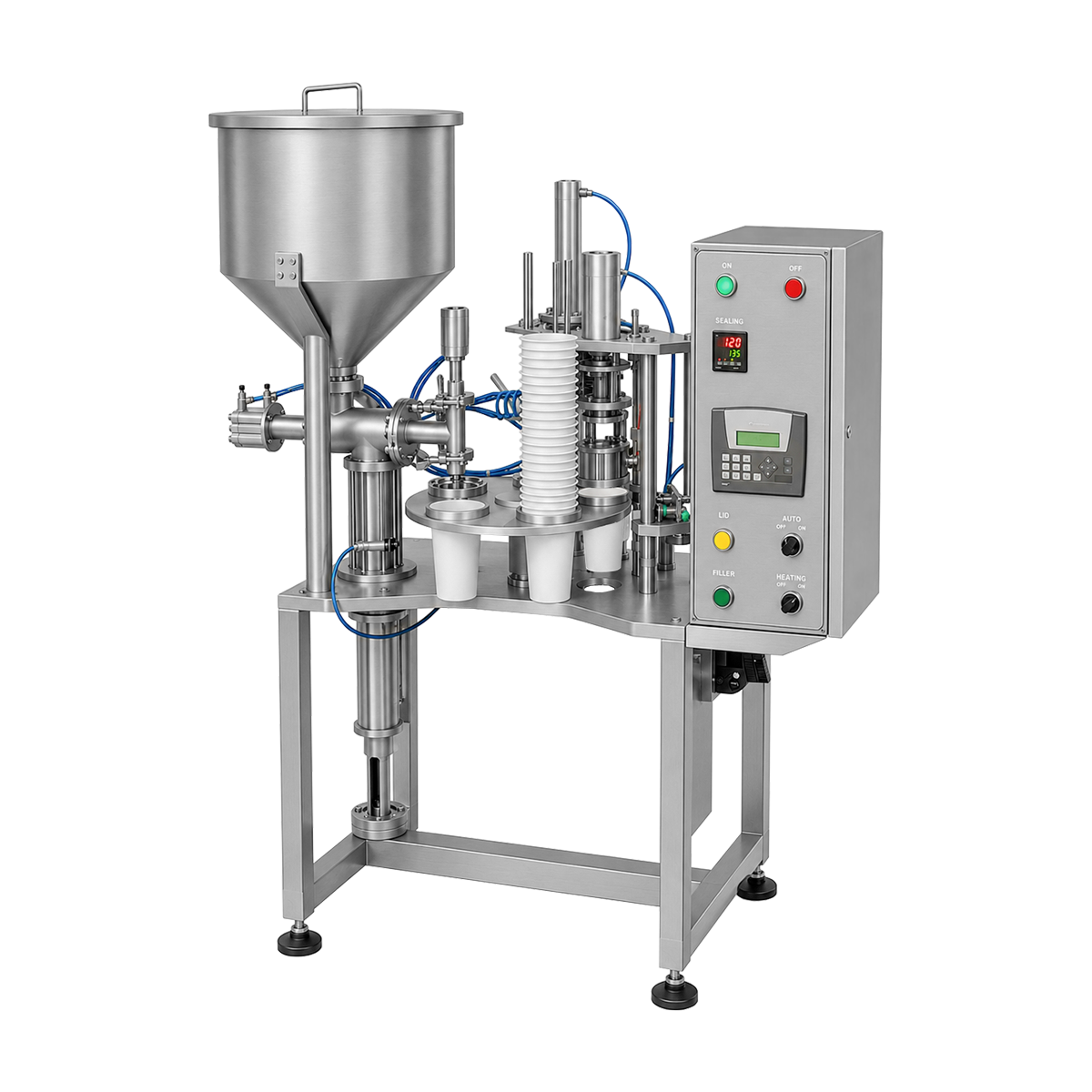
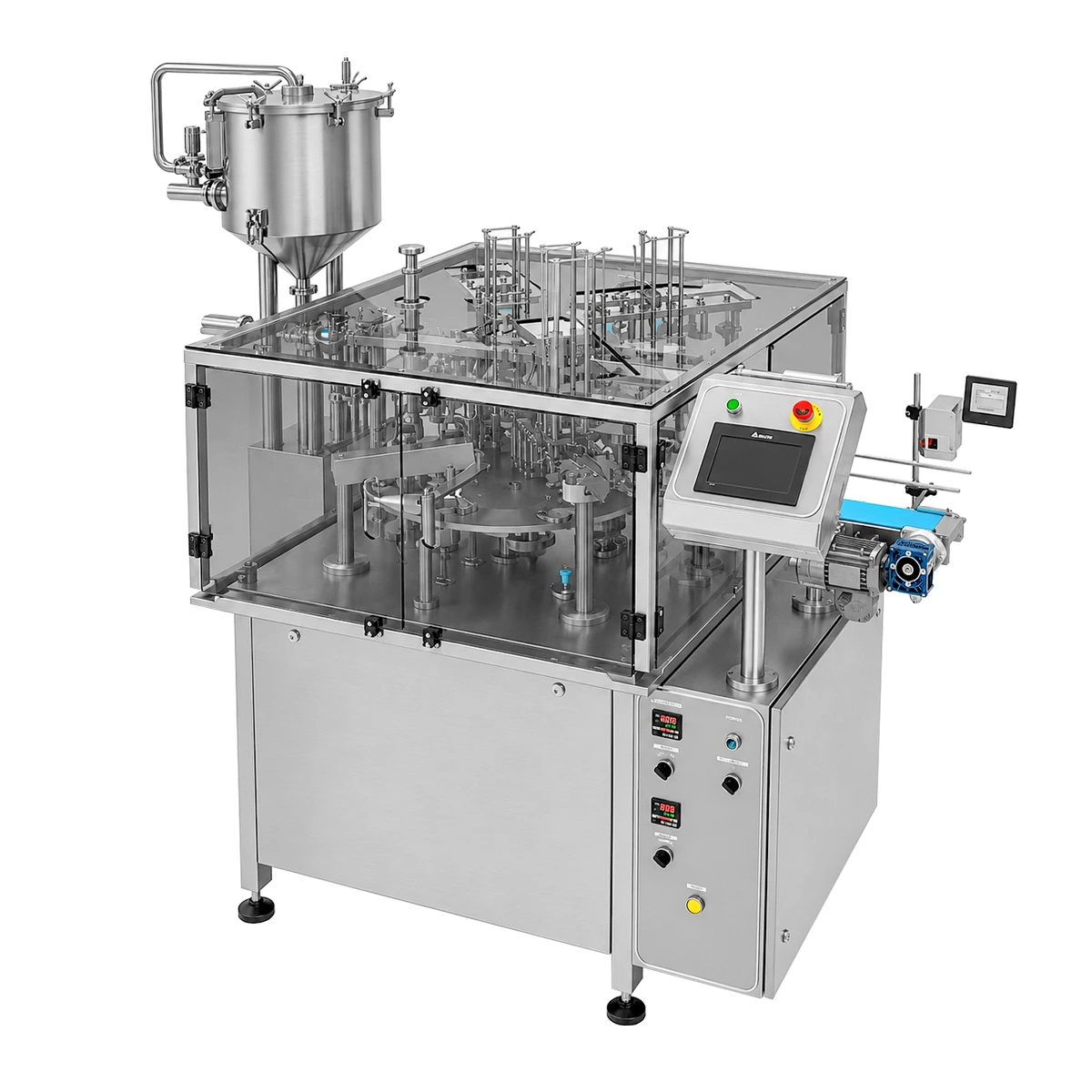
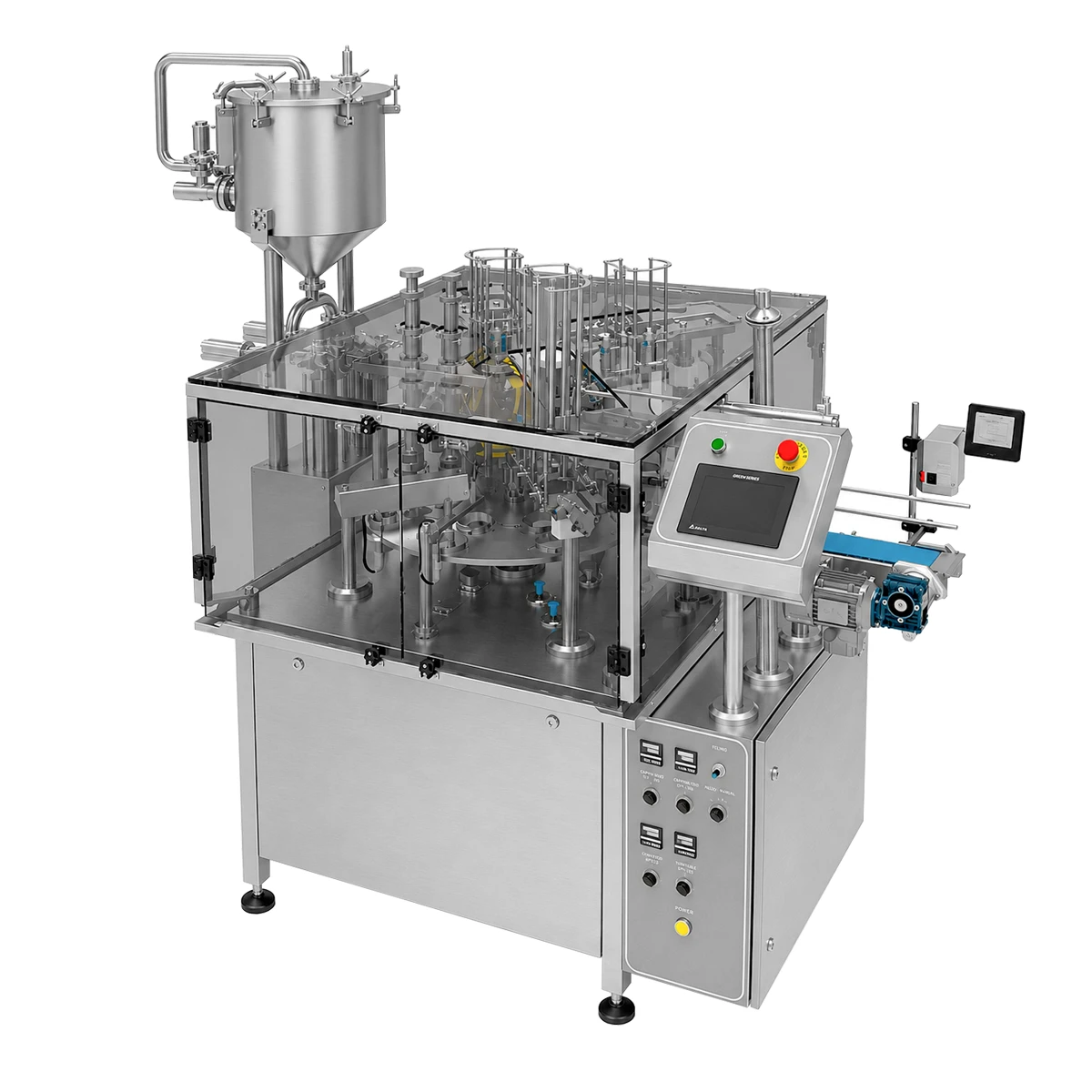
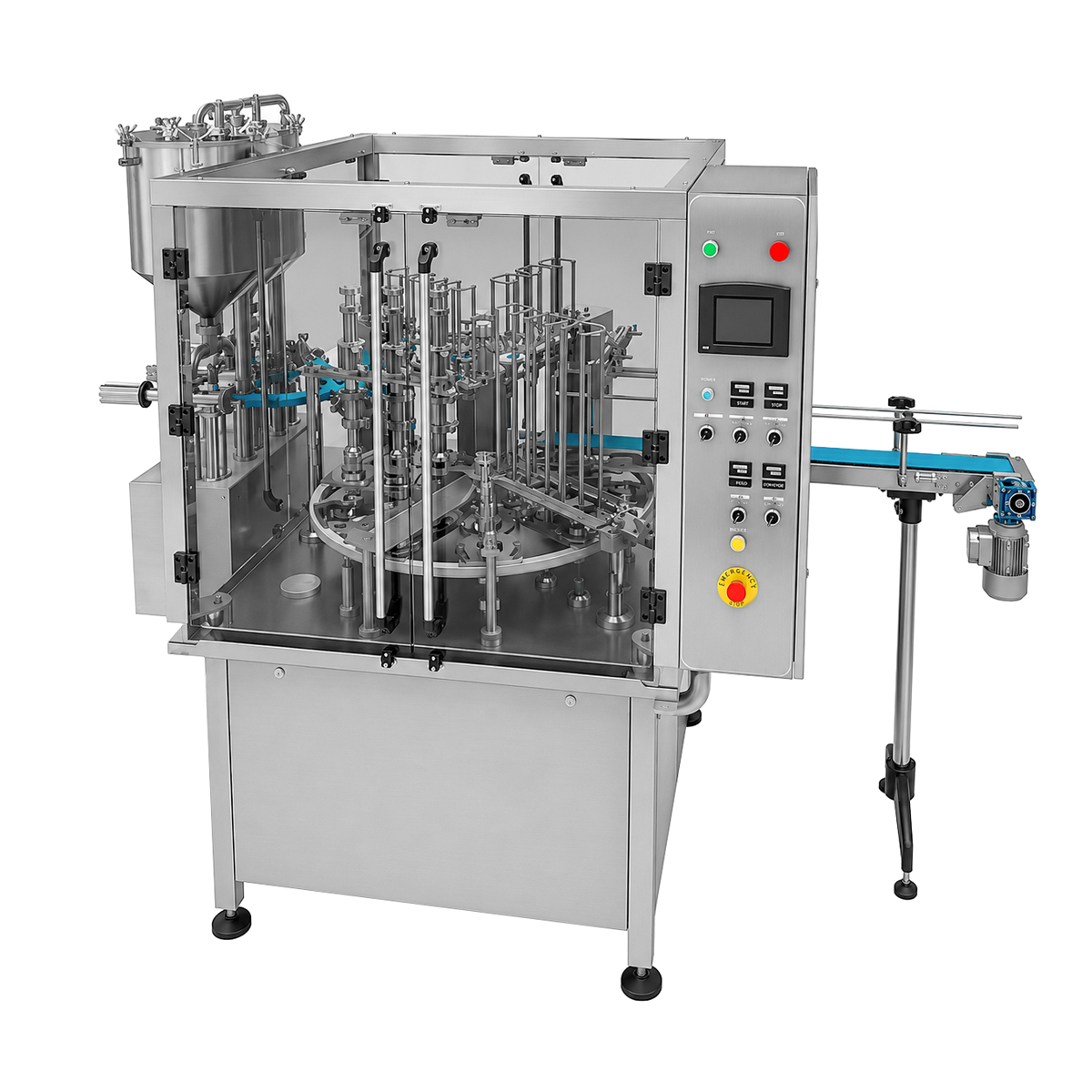
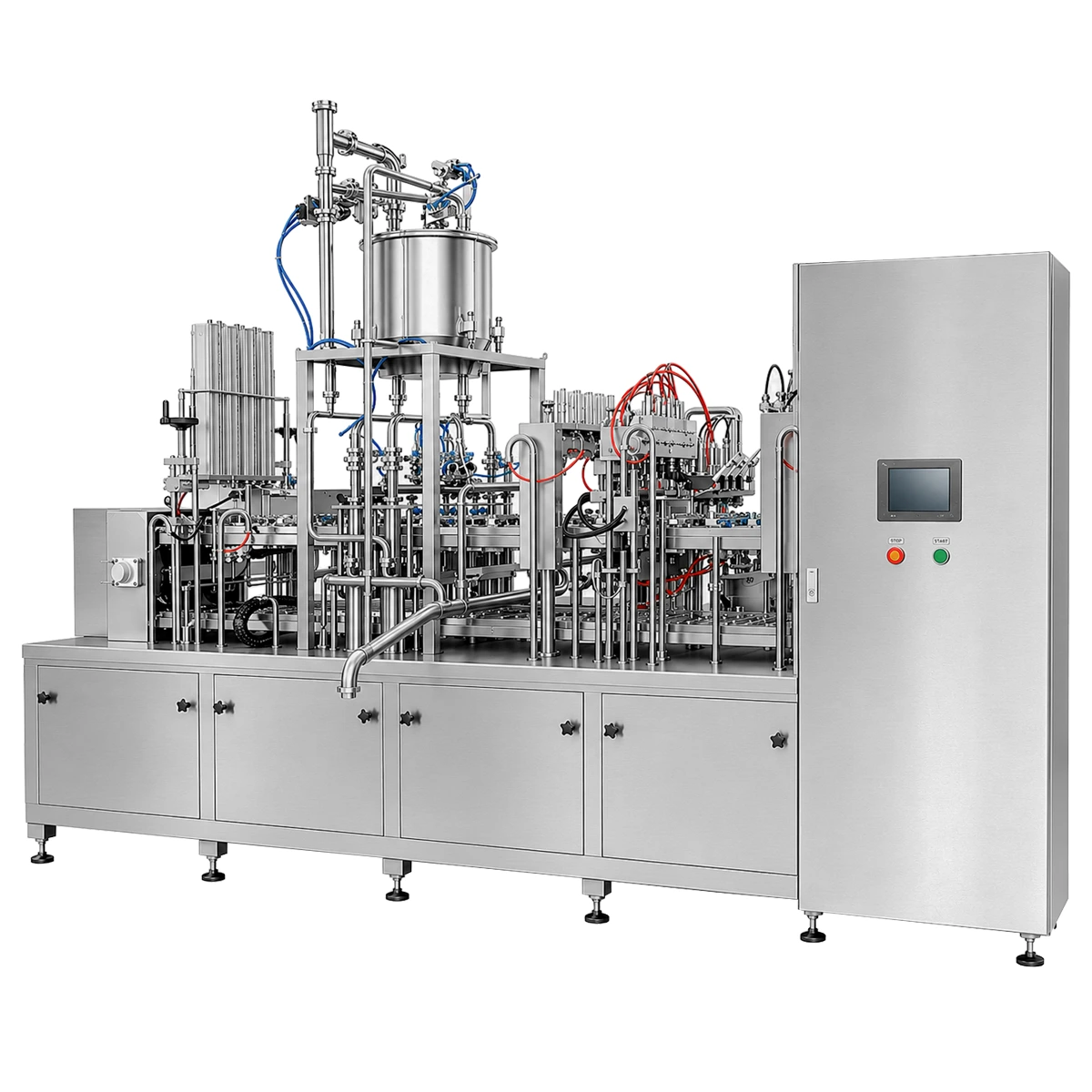
Cup filling and sealing machines are designed for automatic filling of pre-made plastic cups and containers across a wide range of food applications. Whether producing dairy products, desserts, sauces or spreads, the correct machine configuration depends on the product characteristics, packaging format and required production capacity.
Our range includes both rotary and linear cup filling machines. Rotary systems provide a compact and efficient solution for low to medium production capacities, while linear multi-lane machines are designed for high-output production environments requiring maximum throughput and automation.
The final machine specification is determined by factors such as cup dimensions, filling volume, product characteristics, hygiene requirements and the required level of automation. Depending on the application, additional equipment such as UV-C cup treatment, overcap application, date coding, checkweighing, and case or tray packing can be integrated into the packaging line.
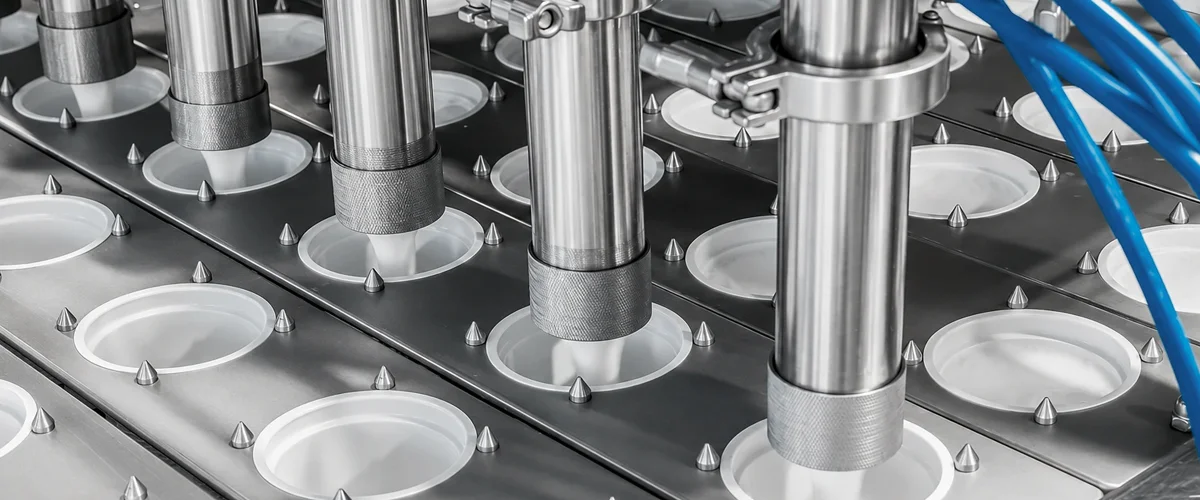
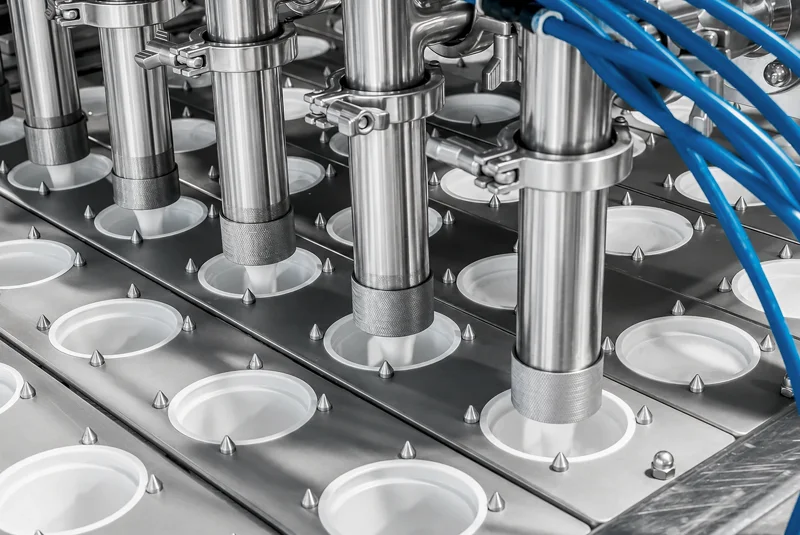
Cup filling and sealing machines are designed for automatic filling of pre-made plastic cups and containers across a wide range of food applications. Whether producing dairy products, desserts, sauces or spreads, the correct machine configuration depends on the product characteristics, packaging format and required production capacity.
Our range includes both rotary and linear cup filling machines. Rotary systems provide a compact and efficient solution for low to medium production capacities, while linear multi-lane machines are designed for high-output production environments requiring maximum throughput and automation.
The final machine specification is determined by factors such as cup dimensions, filling volume, product characteristics, hygiene requirements and the required level of automation. Depending on the application, additional equipment such as UV-C cup treatment, overcap application, date coding, checkweighing, and case or tray packing can be integrated into the packaging line.
In practice, there are very few limitations on which products can be filled using a cup filling machine. The product itself is rarely the deciding factor. What matters is selecting the right filling technology for its viscosity, flow characteristics and any particulates it may contain.
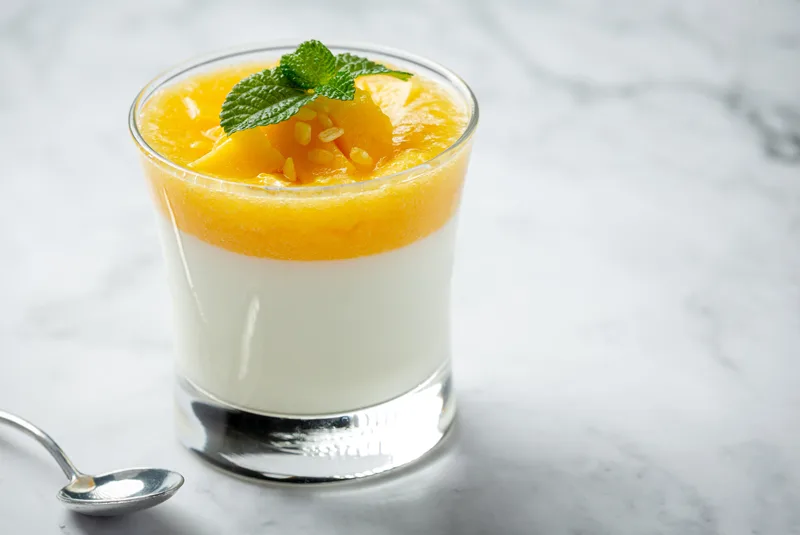
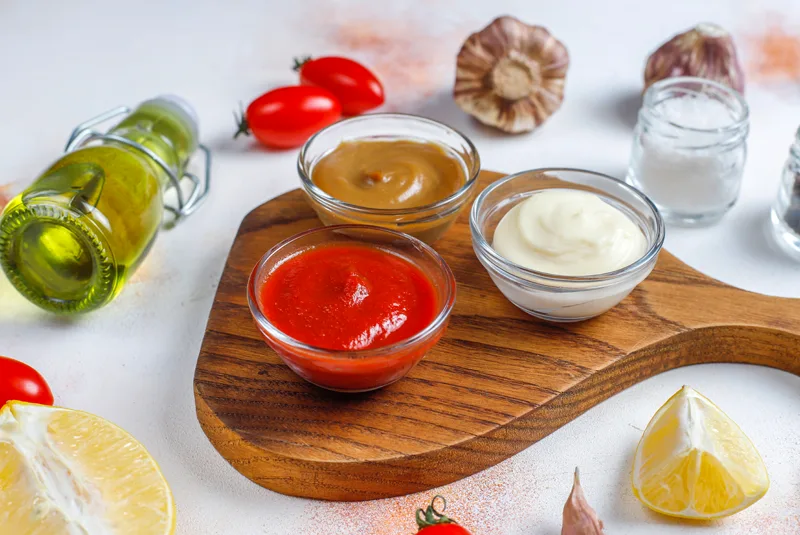
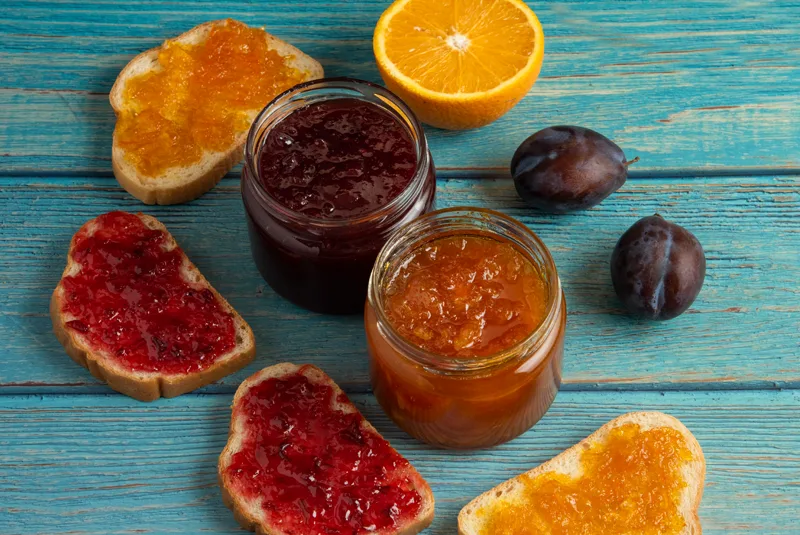
Yoghurt is by far the most common application, particularly in the dairy industry. Small portion cups for ketchup, mayonnaise and other sauces are also widely produced for fast food chains and food service. Single-serve jam and honey portions are another common application, especially for hotels, catering and breakfast buffets.
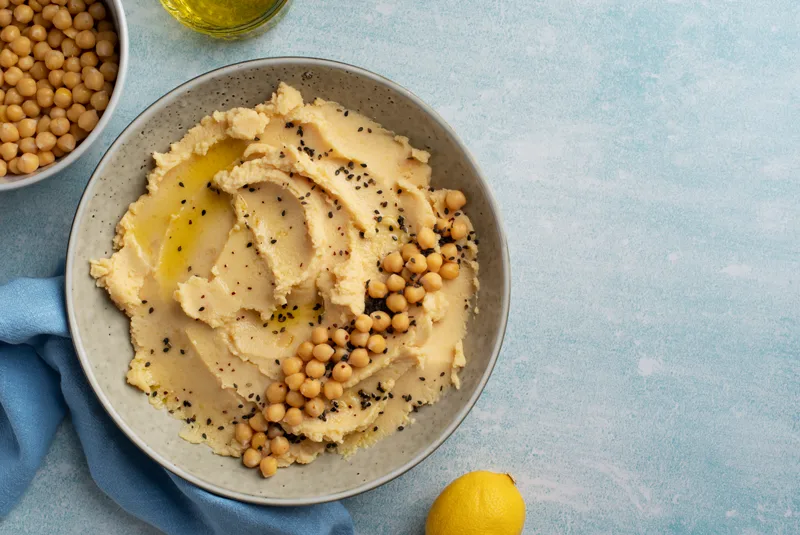
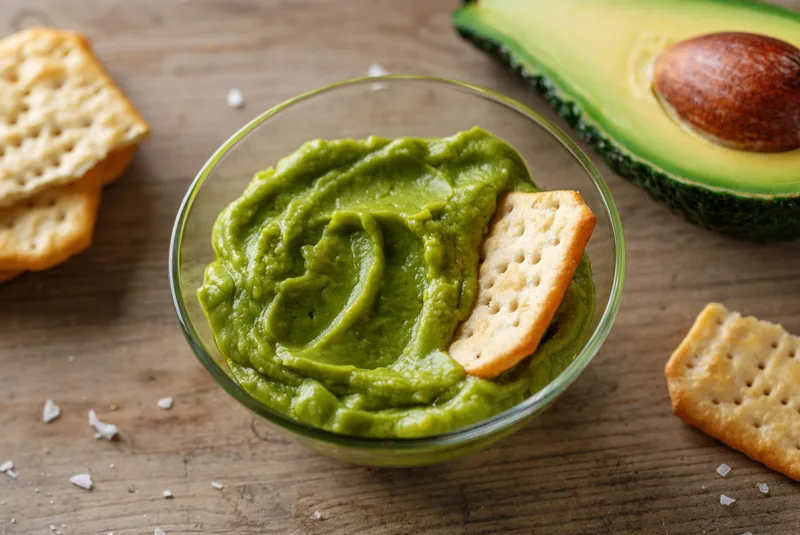
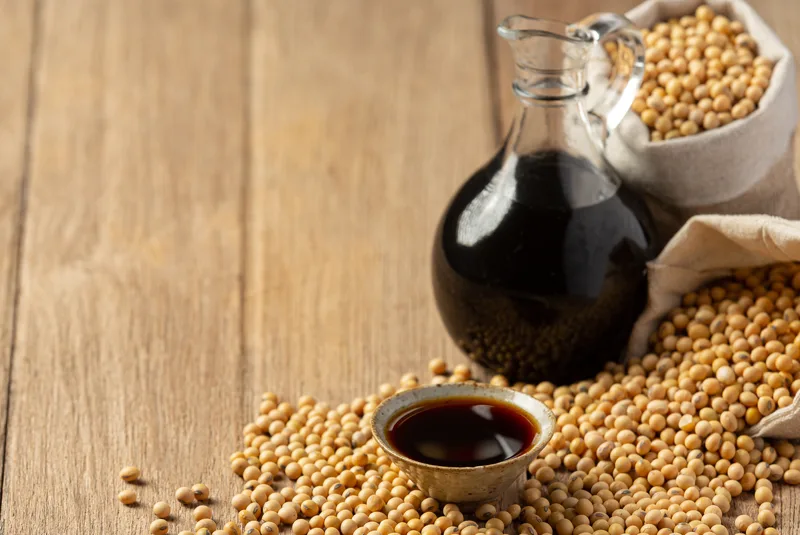
Cup filling technology is equally suitable for many other products. Over the years we have seen applications ranging from prepared salads to fermented cabbage. Products can vary from low-viscosity liquids such as soy sauce to highly viscous products like hummus.
More challenging applications are usually not related to the product itself, but to its characteristics. Products containing fruit pieces or other particulates require filling systems that can handle inclusions without affecting filling accuracy or damaging the product. Layered products, such as fruit-on-the-bottom yoghurt, typically require multiple filling stations operating in sequence.
Most preformed cup filling machines are designed to handle a wide range of cup materials. In practice, polypropylene (PP) remains the most common choice, particularly for dairy products. It offers good rigidity, seals reliably and is suitable for a wide range of chilled and ambient food applications.
Polyester cups were more common in the past, but they are becoming less widely used as the industry moves towards more sustainable packaging solutions. In recent years, paper-based cups with a barrier coating have become increasingly popular. These cups are designed so that a foil or film lid can be heat sealed directly to the coated rim while reducing the overall plastic content of the package.
Some products require more specialised packaging. For example, pâtés are often packed in aluminium laminate containers, commonly known as lamister cups and containers. These incorporate an internal polymer layer that allows the lid to be heat sealed while benefiting from the barrier properties of aluminium.
In practice, the most important consideration is not the cup material itself, but its compatibility with the lidding material. The cup and the foil or film should be designed to seal together reliably using conventional heat sealing without requiring special coatings or unusual sealing conditions. Choosing compatible packaging materials at the beginning of a project helps avoid sealing problems later in production.
From the machine perspective, cup dimensions, dimensional consistency and rigidity are often more important than the material itself. These factors influence reliable cup destacking, transport through the machine and consistent sealing quality.
The most common cup formats are round cups with filling volumes between 100 and 500 ml. This size range covers many of the world’s most popular dairy products, including yoghurt, sour cream, cream and similar chilled foods.
In practice, two cup diameters have become something of an industry standard: 75 mm and 95 mm, measured across the top rim. These formats are widely used throughout the dairy industry and are supported by a broad range of cup and lidding material suppliers.
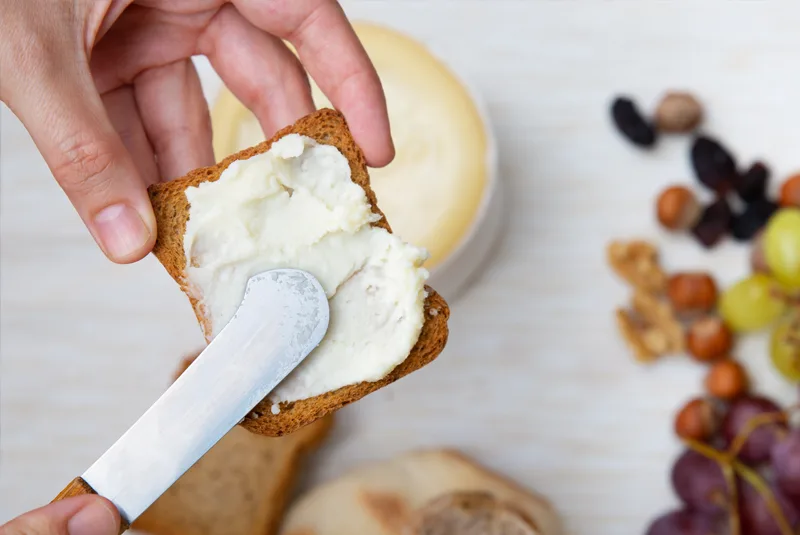
Not all products are packed in round cups. Cream cheese and processed cheese are often filled into shallow rectangular containers, making it easier for consumers to scoop and spread the product. There are also twin-compartment cups, where one compartment contains yoghurt or a dessert and the other contains granola, nuts or other dry ingredients that can be mixed immediately before consumption.
At the other end of the scale are small portion packs, typically ranging from 20 to 80 ml. These are commonly used for ketchup, mayonnaise, soy sauce, jam and honey in food service, hotels and catering applications.
Products intended to be consumed over several servings are often fitted with a reclosable plastic snap-on cap in addition to the heat-sealed foil lid. This allows the product to be resealed after opening and stored conveniently in a refrigerator.
When selecting a cup filling machine, the overall cup dimensions are usually more important than the filling volume itself. The diameter, height and shape of the container determine the machine layout, transport system, sealing tooling and format parts required for reliable operation. This is why two products with the same filling volume may require different machine configurations if the cup designs are significantly different.
Yes. It is common for a single cup filling machine to handle multiple products and different cup sizes. In practice, many manufacturers use the same machine for several products throughout the week, depending on their production schedule.
Some product changes require very little adjustment. For example, switching between different yoghurt flavours is usually straightforward. On machines equipped with two filling stations, one doser may be used for yoghurt and the other for fruit preparation. If plain yoghurt is being produced instead of fruit-on-the-bottom yoghurt, the fruit filler can simply be disabled from the HMI without any mechanical modifications.
The available cup sizes depend on the machine design. Standard models typically handle cups up to 95 mm in diameter, while wider-format machines are available for containers up to 120 mm. Before a machine is manufactured, the actual cups, lids and product characteristics are reviewed to ensure the equipment can accommodate the required range of packaging formats.
Changing from one cup format to another is generally a quick process. Modular cup magazines, interchangeable lid magazines and format rings allow most format changes to be completed in around 15–20 minutes, depending on the operator’s experience. Where two cup formats share the same diameter but differ only in height, even fewer format parts need to be changed, making the changeover faster still.
In practice, however, manufacturers rarely plan to change formats several times during the same production shift. Good production planning is usually more effective than minimising changeover time. A typical approach is to dedicate one production run or one day to a particular cup format before changing over to the next.
In practice, there are very few limitations on which products can be filled using a cup filling machine. The product itself is rarely the deciding factor. What matters is selecting the right filling technology for its viscosity, flow characteristics and any particulates it may contain.
Yoghurt is by far the most common application, particularly in the dairy industry. Small portion cups for ketchup, mayonnaise and other sauces are also widely produced for fast food chains and food service. Single-serve jam and honey portions are another common application, especially for hotels, catering and breakfast buffets.
Cup filling technology is equally suitable for many other products. Over the years we have seen applications ranging from prepared salads to fermented cabbage. Products can vary from low-viscosity liquids such as soy sauce to highly viscous products like hummus.
More challenging applications are usually not related to the product itself, but to its characteristics. Products containing fruit pieces or other particulates require filling systems that can handle inclusions without affecting filling accuracy or damaging the product. Layered products, such as fruit-on-the-bottom yoghurt, typically require multiple filling stations operating in sequence.
There is no single filling accuracy that can be quoted for every cup filling application. The achievable accuracy depends on the product characteristics, the filling technology and the process conditions.
For standard products such as stirred yoghurt without particulates, we typically guarantee a filling accuracy of ±0.5%. In practice, this is consistently achieved in most applications, largely due to the repeatability of volumetric piston fillers. Provided the product density remains stable, the filler delivers the same volume on every cycle, resulting in excellent consistency throughout production.
It is also common to make small adjustments during a production run. If a new product batch has slightly different characteristics, the filling volume can usually be adjusted to maintain the target fill weight without interrupting production for long.
Products with a non-homogeneous structure require a different approach. Fruit pieces, particulates or ingredients with varying density naturally introduce greater variation, so a wider filling tolerance should be expected. Likewise, when filling accuracy is verified by weighing the finished packs, variations in the weight of the empty cups can also influence the measured results, even though the volumetric filling system itself remains highly repeatable.
Selecting the right filling principle is therefore just as important as choosing the right cup filling machine. During the quotation stage, we review the product characteristics and recommend the most suitable filling system to achieve the highest practical filling accuracy for each application.
The actual output of a cup filling machine depends on several factors, but in most applications the product itself has the greatest influence. The nominal machine capacity shown in a specification is based on defined operating conditions and should always be considered together with the product characteristics and packaging format.
Low-viscosity products often require slower filling speeds to reduce the risk of splashing during filling. Foaming products can also reduce the achievable output. For example, set yoghurt is filled in a liquid state before incubation and can foam during filling. In these cases, the filling cycle is often slowed down to maintain a clean filling process and consistent filling accuracy.
In our experience, the filling station is usually the process that determines the overall machine output. The indexing speed of a rotary cup filling machine or the transport speed of a linear cup filling machine is also important. However, both must be matched to the product. If cups containing a low-viscosity product are moved too quickly, product spillage can occur before the sealing station.
The filling volume also has an impact. Larger doses generally require more time to dispense than smaller ones, increasing the overall cycle time.
Other operations, such as cup feeding, lid feeding, UV treatment, heat sealing and discharge onto the outfeed conveyor, are performed simultaneously. Although each contributes to the total cycle, they rarely become the limiting factor. Cup and lid magazines can normally be replenished while the machine is running, so they do not reduce production output. In practice, it is the filling process that most often determines the maximum achievable output of a cup filling machine.
The time required for a format change on a cup filling machine depends on the machine configuration and the extent of the change. As a general guide, an experienced operator can usually complete a format change in around 15–30 minutes, although single-lane machines are typically quicker to change over than multi-lane systems.
A typical format change on a preformed cup filling machine includes replacing the main format parts, such as the cup magazine, lid magazine, sealing head (when changing cup diameter), discharge guides and other tooling required for the new cup format. The filling volume is also adjusted to suit the new package size and product.
Once the mechanical changeover has been completed, it is good practice to carry out a trial run before introducing the product. Within our engineering team, we often refer to this as a “dry cup” test. The cup passes through the complete machine with the filling station temporarily disabled, allowing the operator to verify cup destacking, lid placement, heat sealing and product discharge before filling begins.
Only after these functions have been confirmed is the filling station brought back into operation. The filling accuracy is checked, any necessary adjustments are made and production can then begin with confidence.
The actual format change time depends on several factors, including the cup filling machine design, the number of filling stations and how different the new cup format is from the previous one. For example, changing between two cups of the same diameter is generally quicker than changing to a completely different cup size, as fewer format parts need to be replaced.
The distinction between clean and ultra-clean cup filling is not always the same across the packaging industry. Different equipment manufacturers use slightly different definitions and technologies, although the overall objective is the same: to minimise the risk of product contamination during filling.
At Filling Experts, a Clean cup filling machine is a fully enclosed system designed for hygienic production. It is typically equipped with a hygienic volumetric piston filler and can optionally include UVC treatment of the cup interior before filling. This configuration is suitable for the majority of chilled dairy products, sauces, dips and similar food applications.
Our Ultra-Clean configuration adds several features to provide an even higher level of hygiene. A HEPA-filtered laminar airflow system creates positive air pressure within the filling area, helping to prevent untreated air from entering the machine. UVC treatment of both the cups and foil lids is included as standard to further reduce the microbial load before filling.
The product path is also upgraded. The filling system uses aseptic diaphragm valves, designed to minimise dead space and improve cleanability. An enhanced CIP system is available as an option, allowing both sides of the product piston to be cleaned. This provides additional assurance that product residues are effectively removed during cleaning.
Choosing between a Clean and an Ultra-Clean cup filling machine depends on the product, the required hygiene level, the target shelf life and the overall hygiene strategy of the production facility. For many applications, a Clean configuration is entirely appropriate, while products with higher hygiene requirements may justify the additional protection provided by an Ultra-Clean system.
The primary utilities required to operate a cup filling machine are electrical power and compressed air. The exact requirements depend on the machine model and should always be confirmed during the project planning stage.
For example, semi-automatic cup filling machines may operate from a single-phase power supply, while fully automatic machines typically require a three-phase electrical connection. During the engineering phase, the local power supply is reviewed with the customer to ensure the machine is configured correctly. Stable power is important, as significant voltage fluctuations can affect electronic components. Modern cup filling machines include built-in protection systems, but where the electrical supply is unstable, installing a voltage stabiliser is considered good engineering practice.
Compressed air is equally important. To ensure reliable operation and maximise the service life of pneumatic components, the air supply should be clean, dry and provided at the pressure and flow rate specified for the equipment. An undersized air line or compressor may result in unstable machine performance, even if the required pressure is available.
Where a cup filling machine is designed for CIP cleaning, additional requirements apply. The cleaning solution pressure and CIP pump capacity must meet the specifications of the particular model to ensure effective cleaning of the product path.
The production environment should also be considered. Although packaging equipment is designed to operate reliably under the demanding conditions typically found in food manufacturing, extreme temperatures or unsuitable environmental conditions can affect the performance of individual components. Reviewing the available utilities and installation conditions during the design stage helps ensure reliable long-term operation of the cup filling machine.
Most cup filling machines are designed to be operated by a single operator during normal production. The operator is responsible for monitoring the machine, replenishing cups and lids as required, and overseeing the overall packaging process.
Previous experience with this specific type of equipment is not normally required, as operator training is provided during commissioning. The operator does not need to be an engineer, but should be comfortable carrying out routine mechanical adjustments, such as changing format parts, making simple adjustments and following machine setup procedures. All operators should also receive appropriate machine safety training before operating the equipment.
Additional personnel are often required further down the packaging line. Once the filled cups leave the cup filling machine, they are typically transferred to an outfeed conveyor or, optionally, to a rotary accumulation table before being packed into trays or cartons. While these tasks are not part of operating the cup filling machine itself, they are an important part of the overall packaging process.
Maintenance and repair should be carried out by qualified personnel. In many factories, mechanical and electrical maintenance are handled by separate technicians who work together when servicing the equipment or troubleshooting faults. In other facilities, these responsibilities may be combined into a single maintenance or service engineer with expertise across mechanical, pneumatic and electrical systems.
Training is therefore usually provided at two levels during commissioning. The first is aimed at production operators and focuses on the safe and efficient operation of the cup filling machine. The second is a more advanced programme for maintenance personnel, covering preventive maintenance, fault diagnosis, service intervals and recommended maintenance procedures.

Yoghurt cup filling machines are essential in the dairy processing industry, addressing the growing need for convenient yoghurt packaging. With various yoghurt types—from traditional…
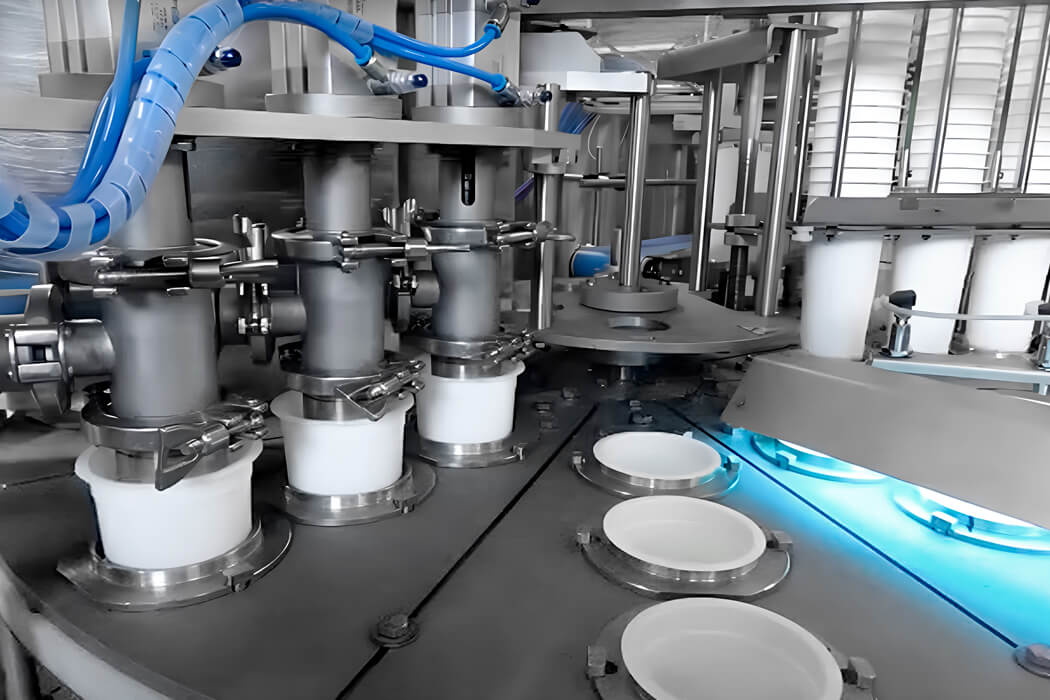
When selecting a cup filling machine for your production line, one key decision is whether to choose a semi-automatic or fully automatic system. Both…
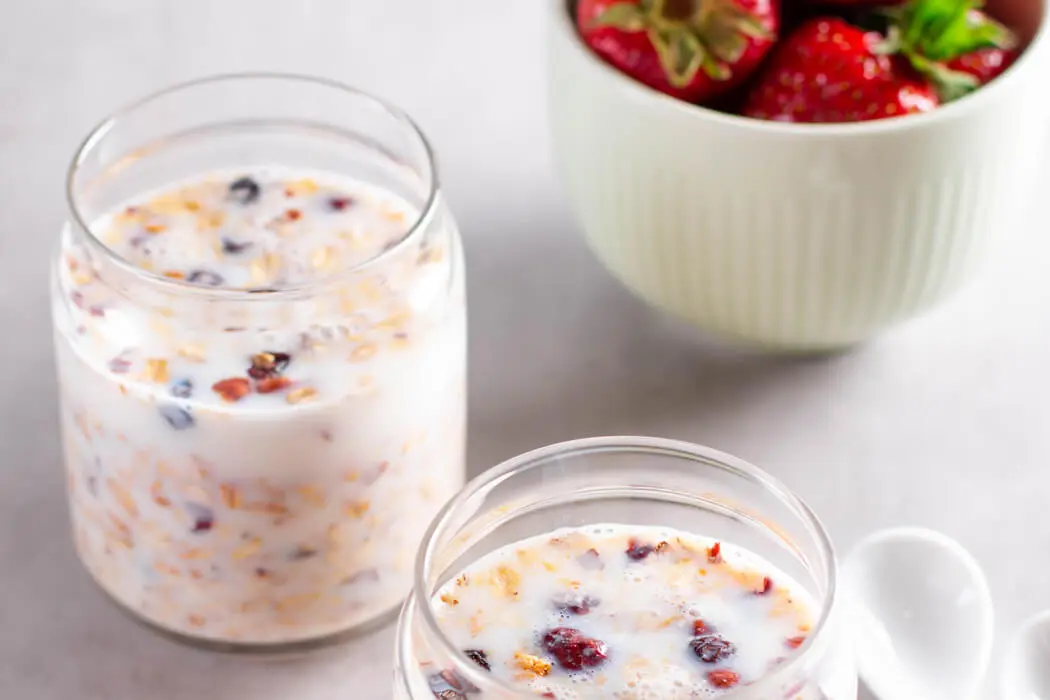
Diaphragm valves (membrane valves) are used in many industries, including food and beverage. For example, one of the applications in this industry is filling…
Every cup filling project is different. Product characteristics, cup dimensions, hygiene requirements and production capacity all influence the final machine specification. Contact us to discuss your project, and we’ll help you configure the most suitable cup filling solution for your production.