Cold Coffee Bottle Filling Machines

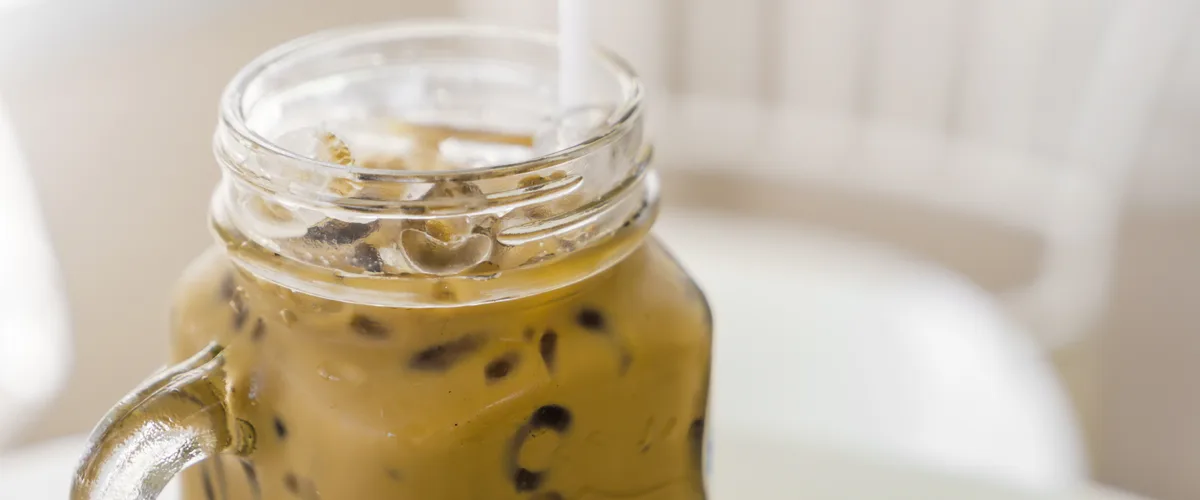
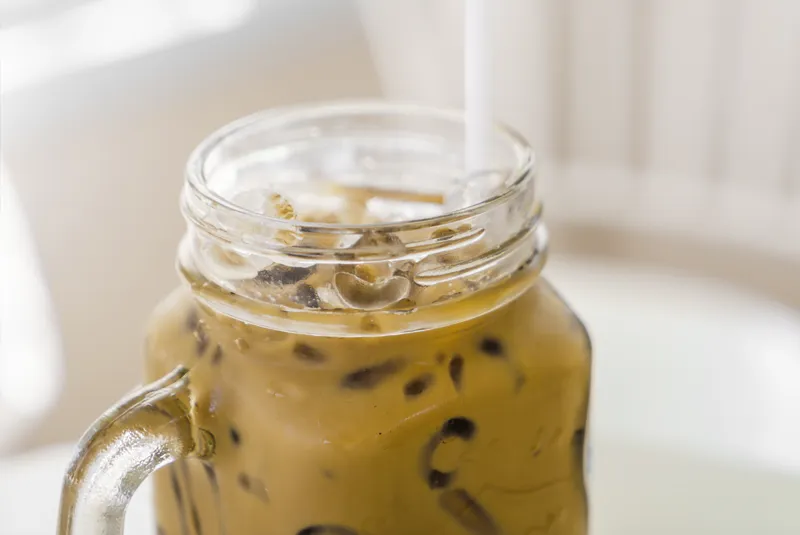
Selecting a cold coffee bottle filling machine depends on the product formulation, required shelf life and packaging format. RTD coffee products range from black coffee and cold brew beverages to milk-based products such as iced latte and iced cappuccino. These products can have different processing and hygiene requirements, which should be considered when specifying the filling equipment.

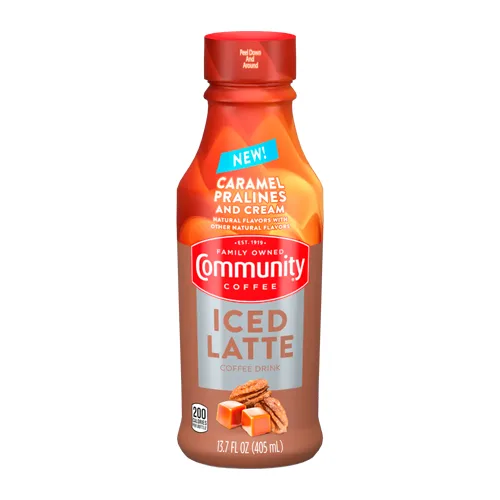
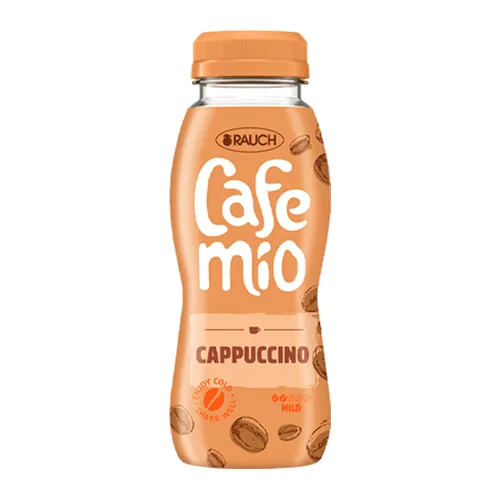
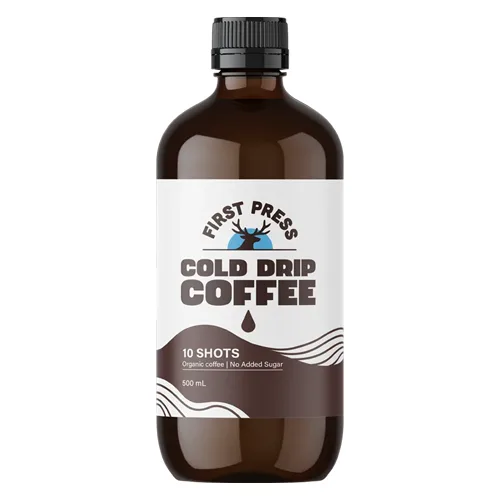
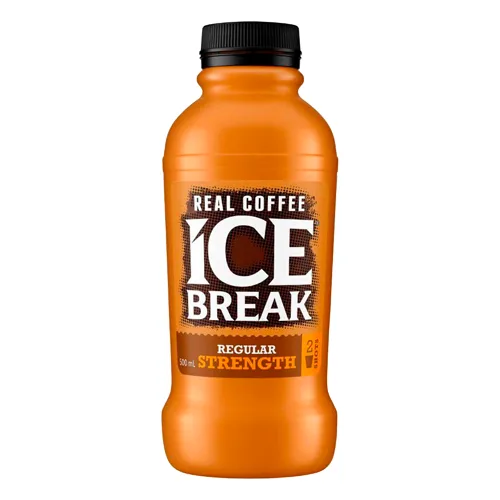
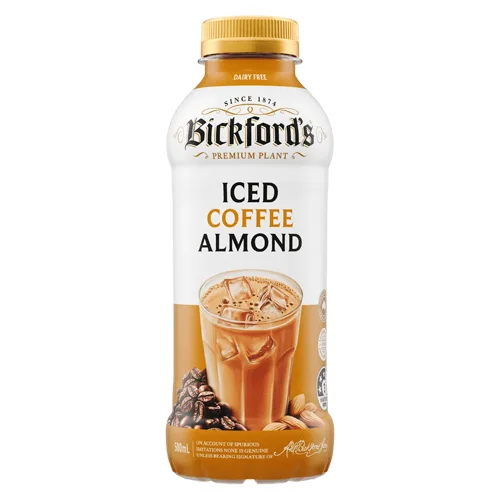
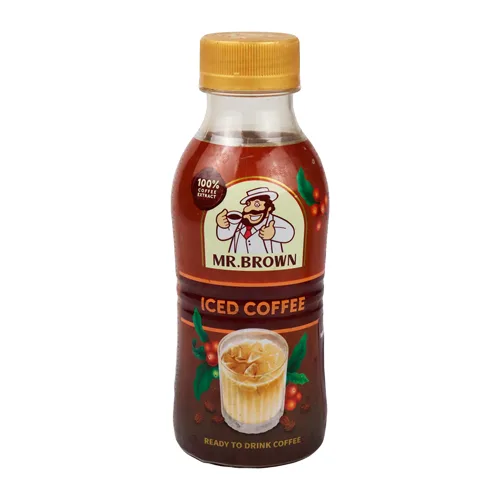
Cold coffee is commonly filled into PET bottles, with 300–1000 ml formats covering both single-serve and larger packs. Glass bottles are also used for certain premium products and market segments. Bottle format, closure type and production requirements should be considered together when selecting the filling equipment.

Where extended shelf life is required, the filling system and overall line configuration may require additional hygienic measures, including Ultra-Clean filling technologies. Product formulation, hygiene requirements, bottle format and target shelf life should therefore be established at the beginning of the project when selecting the filling equipment.

Cold Coffee Bottle Filling Machines

Selecting a cold coffee bottle filling machine depends on the product formulation, required shelf life and packaging format. RTD coffee products range from black coffee and cold brew beverages to milk-based products such as iced latte and iced cappuccino. These products can have different processing and hygiene requirements, which should be considered when specifying the filling equipment.

Cold coffee is commonly filled into PET bottles, with 300–1000 ml formats covering both single-serve and larger packs. Glass bottles are also used for certain premium products and market segments. Bottle format, closure type and production requirements should be considered together when selecting the filling equipment.

Where extended shelf life is required, the filling system and overall line configuration may require additional hygienic measures, including Ultra-Clean filling technologies. Product formulation, hygiene requirements, bottle format and target shelf life should therefore be established at the beginning of the project when selecting the filling equipment.

Engineering insights

Filling and Packaging Considerations for Cold Coffee

Product Overview

Cold coffee is a ready-to-drink beverage, often formulated with milk, sugar, flavourings and other ingredients. Product characteristics are generally homogeneous, although formulations can vary depending on the recipe, processing method, and intended shelf life.

Cold coffee products are typically distributed under refrigerated conditions, with shelf life influenced by the product formulation, processing method and filling environment. These factors should therefore be considered when specifying the filling equipment.

  • Ready-to-drink coffee products are often milk-based
  • Product formulation and shelf-life requirements influence equipment selection
  • Hygienic product handling is important throughout the filling process

Filling System

Gravity or overflow filling can be used for suitable free-flowing cold coffee products. Universal volumetric piston filling provides controlled volumetric dosing and is suitable where consistent filling performance is required.

For higher production outputs, flowmeter-based filling can provide a more advanced dosing solution where the technology and machine configuration are appropriate.

  • Gravity or overflow filling for suitable free-flowing products
  • Universal volumetric piston filling for controlled dosing
  • Flowmeter-based filling for higher-output applications

Packaging

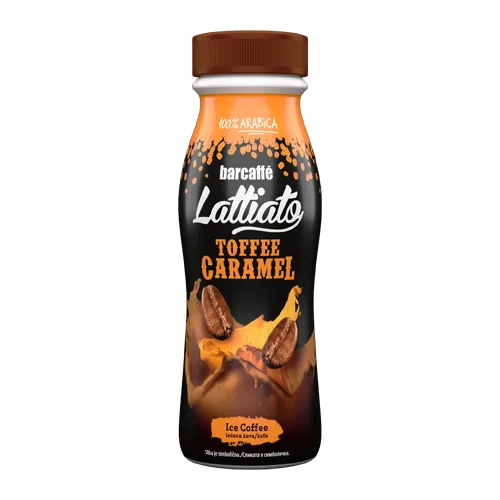
PET is the most common bottle material used for cold coffee, while glass bottles are also used, particularly for premium product ranges. Retail formats commonly range from single-serve bottles to larger multi-serve packs, depending on the target market and distribution channel.

Bottle format and closure selection should be matched to the product, intended use and filling line requirements.

  • PET is the most common bottle material
  • Glass bottles are also used for premium product ranges
  • Single-serve and multi-serve bottle formats are both common
  • Bottle and closure format should match the product and filling line requirements
Machine Range

Our Bottle Filling Machines

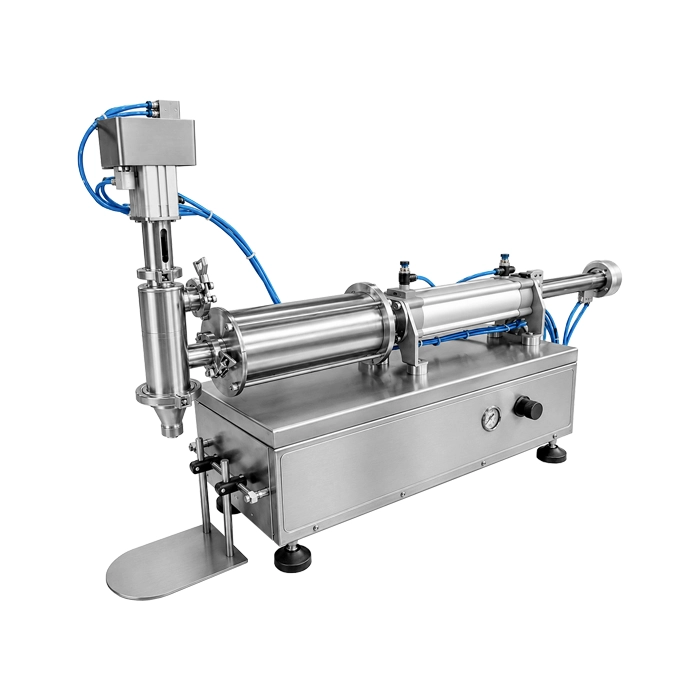
Tabletop Piston Filler TPF-1000

Tabletop Piston Filler TPF-1000

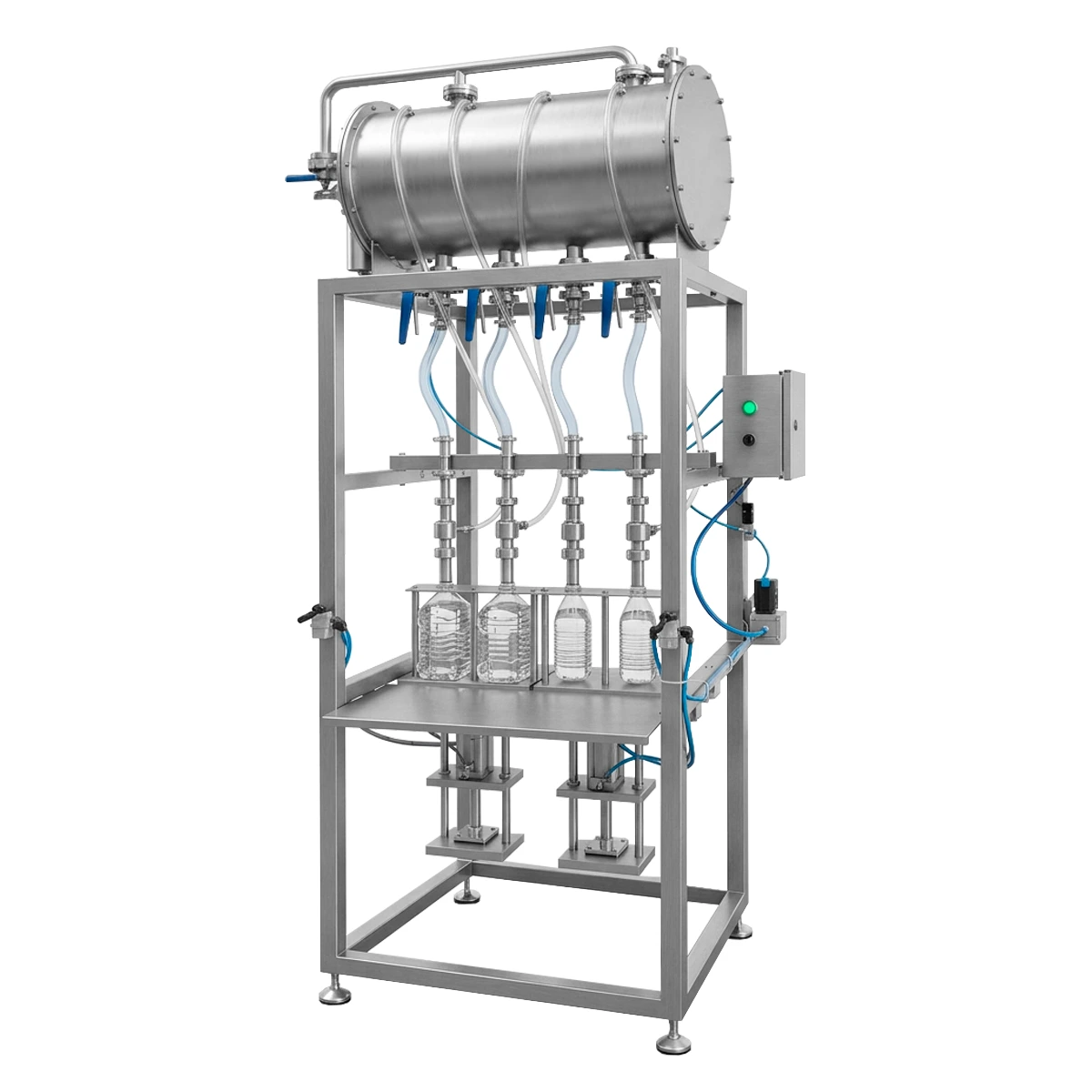
Semi-Automatic Bottle Filling Machine SABF-4

Bottle Filling Machine SABF-4

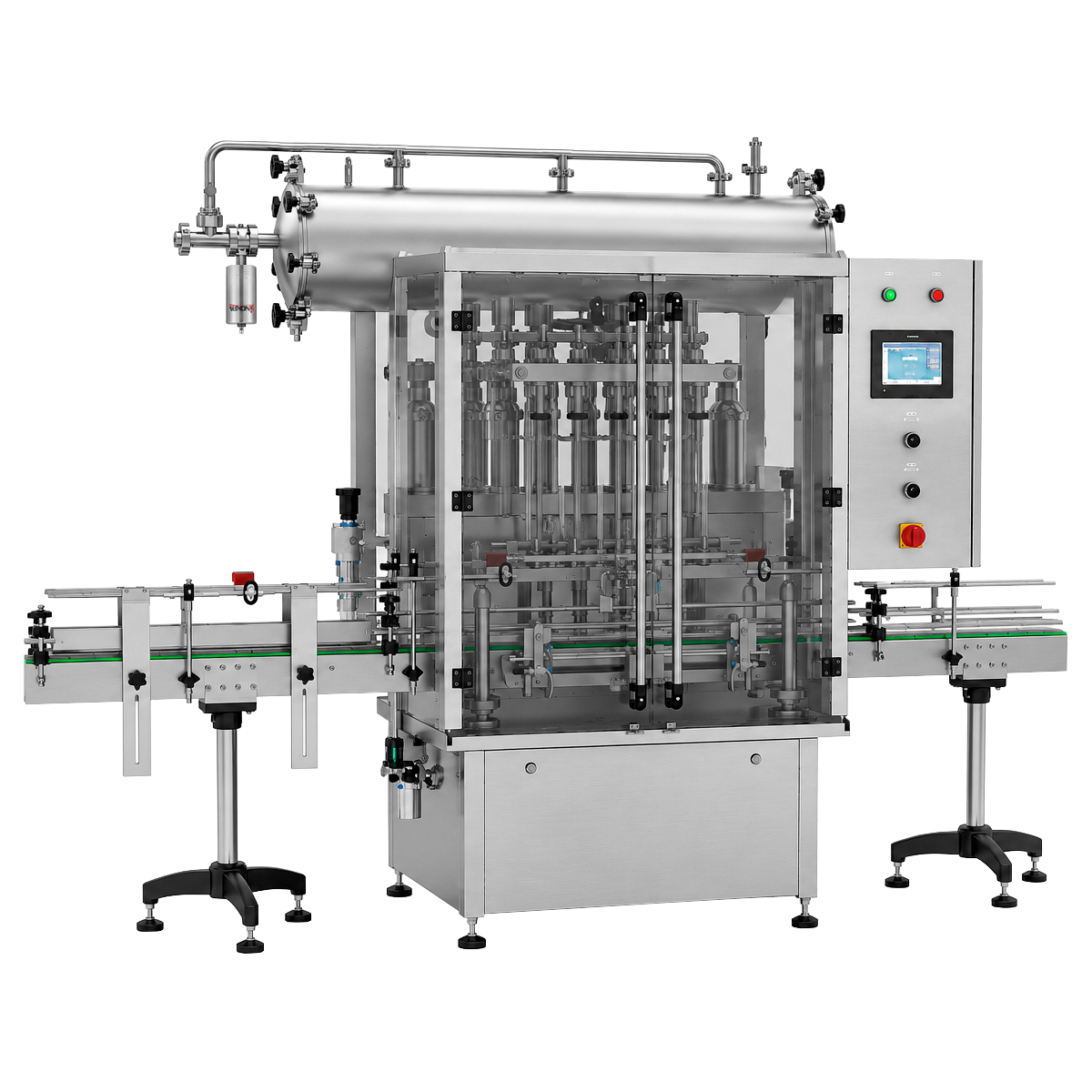
Automatic linear bottle filling machine designed for filling bottles and jars with food and non-food liquids.

Bottle Filling Machine LBF

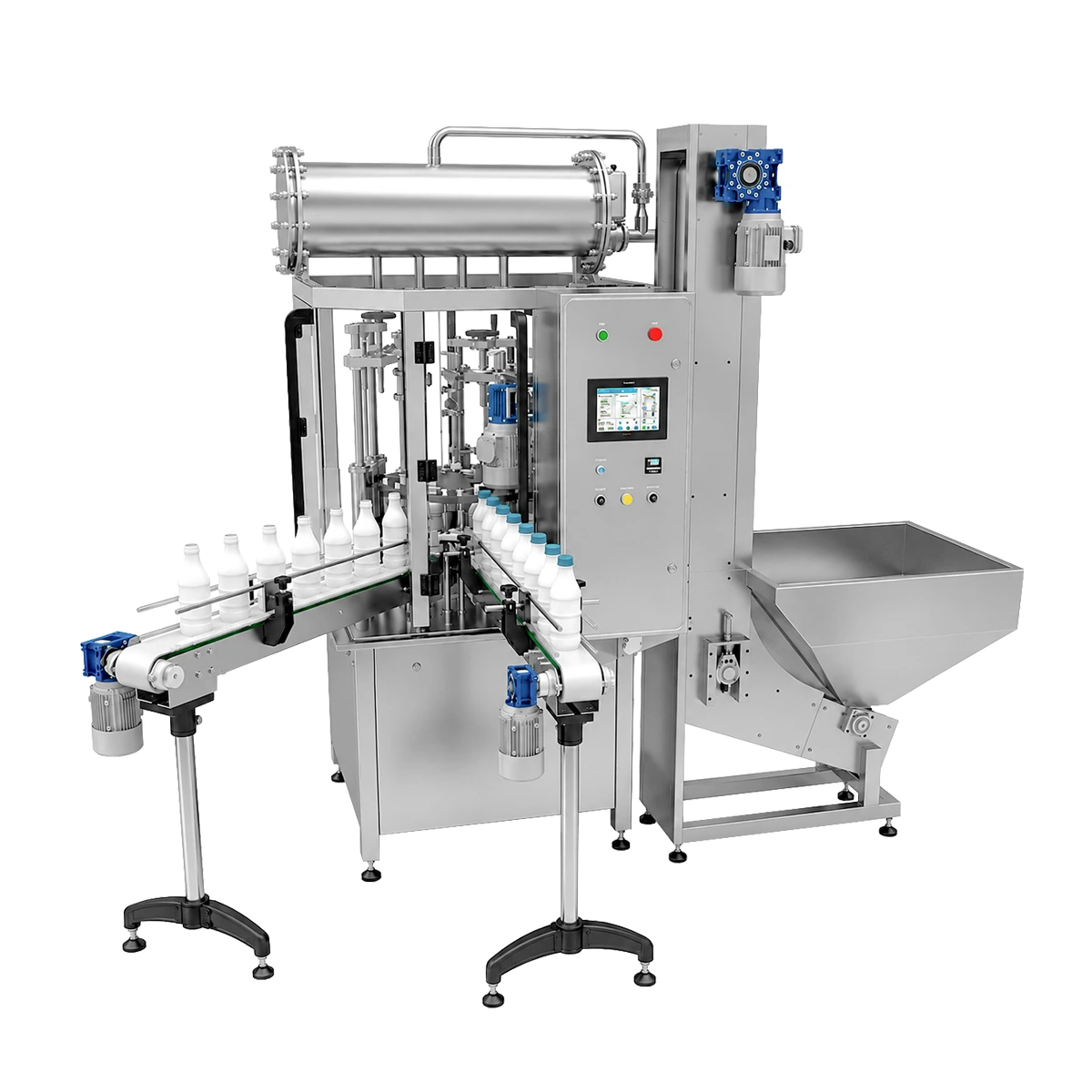
Automatic bottle filling and capping monobloc for PET, HDPE, and glass bottles, ensuring efficient and precise filling with secure capping in a single system.

Bottle Filling Monobloc BFCM

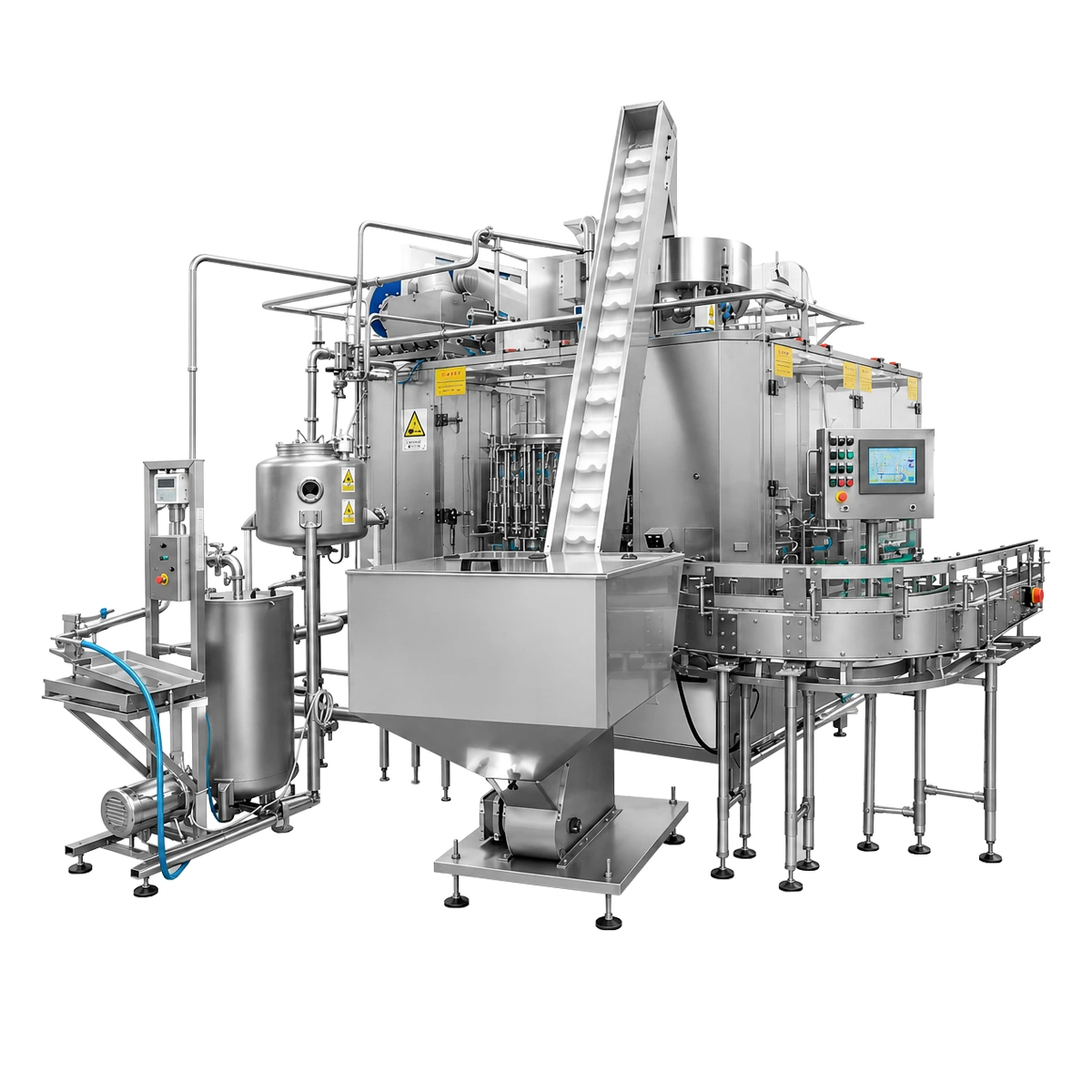
Automatic rotary Rinsing-Filling-Capping monobloc system for liquid and viscous products in PET or glass bottles

Bottle Filling Monobloc RFCT

Equipment Selection

Bottle Filling Machine Configuration

Standard Machine Configuration

Bottle filling equipment selection normally starts with four key factors: required output, bottle format, available floor space and hygiene requirements. Establishing these parameters early helps narrow the choice between semi-automatic, linear and monobloc filling systems.

For lower production volumes, a semi-automatic filling machine can provide a practical solution where manual bottle handling remains acceptable. Automatic linear filling machines provide a balance between production output, flexibility and floor space requirements, making them suitable for a wide range of bottling applications. Where higher outputs are required within a compact footprint, a monobloc system can combine multiple packaging operations, such as bottle rinsing, filling and capping, within a single machine platform.

Bottle geometry, closure type, filling accuracy requirements and the desired level of automation also influence machine design and downstream equipment selection.

  • Production output influences the required filling technology and machine capacity
  • Available floor space affects the most practical machine layout
  • Hygiene requirements determine the required level of product protection
  • Semi-automatic, linear and monobloc systems suit different production and operational requirements
  • Bottle format and closure type influence bottle handling and downstream equipment selection

Optional Equipment

Semi-automatic filling machines are often combined with handheld capping equipment where a simple and cost-effective packaging solution is sufficient. Automatic filling systems can form part of a fully automatic bottling line incorporating bottle handling, capping, labelling, coding and group packaging equipment.

Bottle handling equipment supports the continuous flow of bottles through the packaging line. Depending on the required production output and level of automation, this may include rotary feeding tables, bottle unscramblers and conveyor systems. Rotary feeding tables provide a simple method of bottle accumulation and feeding, while bottle unscramblers automatically orient and transfer bottles onto the conveyor system. As production output increases, bottle unscramblers help maintain a consistent bottle supply while reducing manual handling.

Conveyor selection depends on the bottle design and overall line layout. Table-top chain conveyors are commonly used to transport filled bottles and can accommodate both straight and curved line configurations. Air conveyors are typically used where bottles can be supported by the neck finish and are most commonly applied for empty PET bottle transport before filling.

Applications with higher hygiene requirements may justify additional measures such as bottle rinsing systems, cap treatment modules or Ultra-Clean filling configurations. Bottle rinsing systems are commonly used where additional hygienic control is required before filling. Ultra-Clean systems typically incorporate HEPA-filtered air management and controlled overpressure within the filling area to reduce the risk of product contamination. Product protection requirements may also justify additional options such as inert gas flushing.

  • Handheld capping equipment for semi-automatic filling machines
  • Bottle unscramblers and rotary feeding tables
  • Conveyor systems, including table-top chain and air conveyors
  • Capping machines and cap handling systems
  • Automatic labelling machines
  • Coding and marking equipment
  • Group packaging equipment
  • Bottle rinsing systems
  • Cap treatment and sterilisation modules
  • Ultra-Clean filling configurations for applications requiring enhanced microbiological protection
  • Inert gas flushing systems (e.g. nitrogen)
Packaging Examples

Typical Cold Coffee Bottle Packaging

Get in touch

Planning a Bottling Project?

Selecting a filling system for cold coffee depends on the product formulation, required shelf life and production capacity. Bottle format and the required level of hygienic control can also affect the machine configuration, particularly for extended-shelf-life applications. Discuss your application with our engineering team, and we can help determine the most suitable filling equipment for your product and production requirements.