When selecting a Greek yoghurt cup filling machine, the product characteristics are more important than the product name. Although Greek yoghurt is packed in cups similar to conventional yoghurt, it behaves quite differently during filling. Its thick consistency and slower product flow require greater control of the filling process to achieve consistent product presentation and filling accuracy.

Authentic Greek yoghurt is produced by straining yoghurt to remove part of the whey, while Greek-style yoghurt achieves a similar texture using different manufacturing methods. Although the production methods differ, both products are typically thick in consistency and require similar considerations when selecting a cup filling machine.

Greek yoghurt is available in a range of cup sizes, but larger formats of around 350–500 ml are typically more common than smaller single-serve cups due to the way the product is often consumed. Whether filling authentic Greek yoghurt or Greek-style yoghurt, the filling method and machine configuration should be matched to the product to ensure stable production and consistent filling quality.


When selecting a Greek yoghurt cup filling machine, the product characteristics are more important than the product name. Although Greek yoghurt is packed in cups similar to conventional yoghurt, it behaves quite differently during filling. Its thick consistency and slower product flow require greater control of the filling process to achieve consistent product presentation and filling accuracy.

Authentic Greek yoghurt is produced by straining yoghurt to remove part of the whey, while Greek-style yoghurt achieves a similar texture using different manufacturing methods. Although the production methods differ, both products are typically thick in consistency and require similar considerations when selecting a cup filling machine.

Greek yoghurt is available in a range of cup sizes, but larger formats of around 350–500 ml are typically more common than smaller single-serve cups due to the way the product is often consumed. Whether filling authentic Greek yoghurt or Greek-style yoghurt, the filling method and machine configuration should be matched to the product to ensure stable production and consistent filling quality.
Engineering insights

Considerations for Filling Greek Yoghurt

Thick Product Behaviour

Greek yoghurt flows much more slowly than conventional stirred yoghurt due to its thick consistency. As a result, the product does not always spread evenly across the bottom of the cup immediately after filling and, depending on the recipe, may form a central peak or trap air pockets within the product.

For highly viscous products, achieving a smooth and level surface depends not only on dosing accuracy but also on how the product is introduced into the cup during filling. Matching the filling method to the product characteristics is therefore essential for maintaining consistent product presentation and stable production.

  • Thick Greek yoghurt flows more slowly than conventional stirred yoghurt
  • Product distribution inside the cup becomes more critical
  • The filling method should be selected to suit the product characteristics and desired product appearance

Product Distribution

One approach is to raise the cup during dosing while lowering it gradually as the product is deposited. This allows the Greek yoghurt to build up progressively from the bottom of the cup, improving product distribution and reducing the formation of central peaks.

An alternative approach is to lower the filling nozzle into the cup before dosing and gradually raise it as the cup is filled. This achieves the same result while using a different machine design and is equally effective for handling highly viscous products.

In both cases, the objective is the same: to deposit the product progressively from the bottom of the cup rather than from a fixed position above it. This allows the yoghurt to spread more evenly, helping to reduce central peaks, minimise trapped air and achieve a more consistent product appearance.

  • Cup lifting and descending filling nozzles achieve the same objective
  • Both methods improve product distribution inside the cup
  • The most suitable solution depends on the machine design
Machine Range

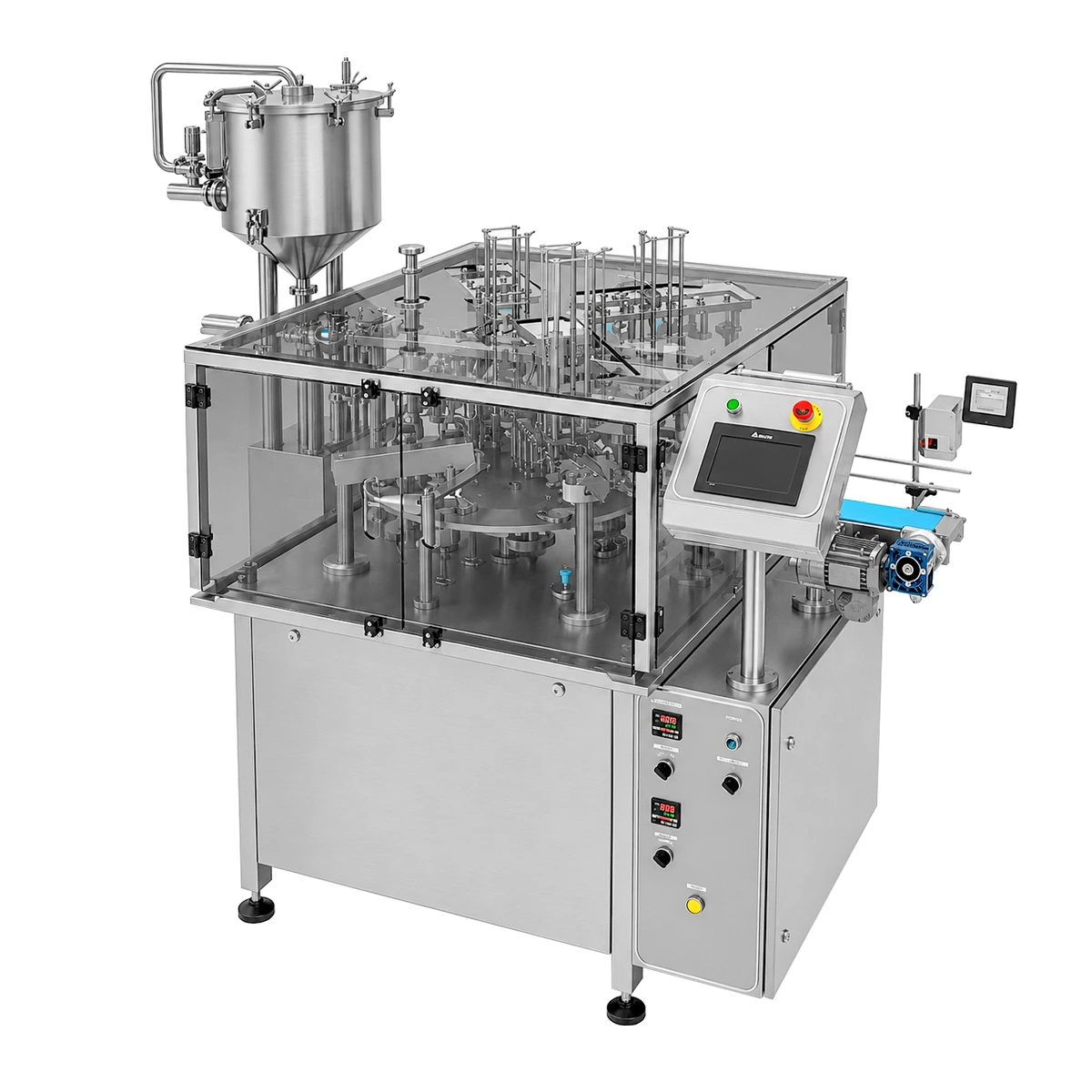
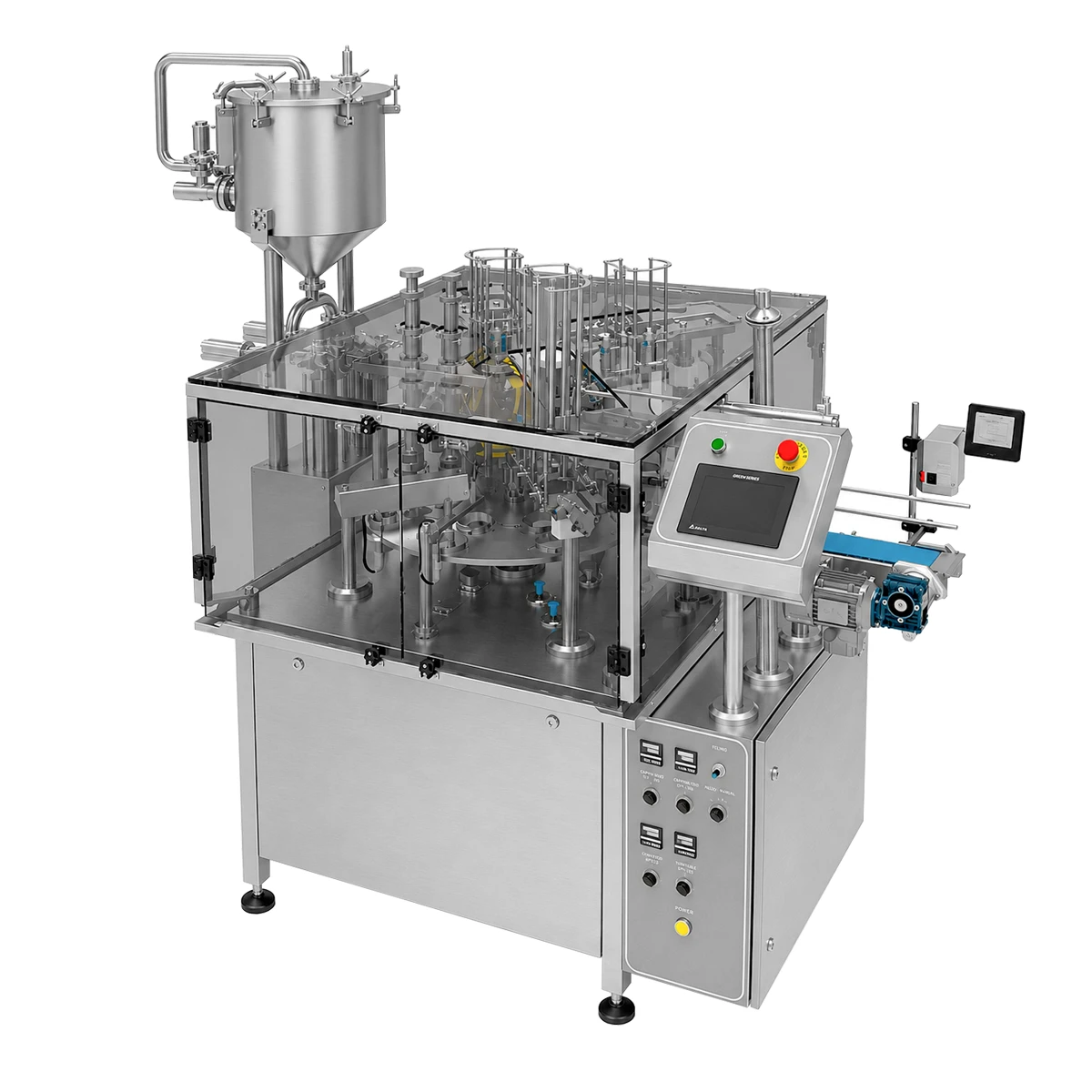
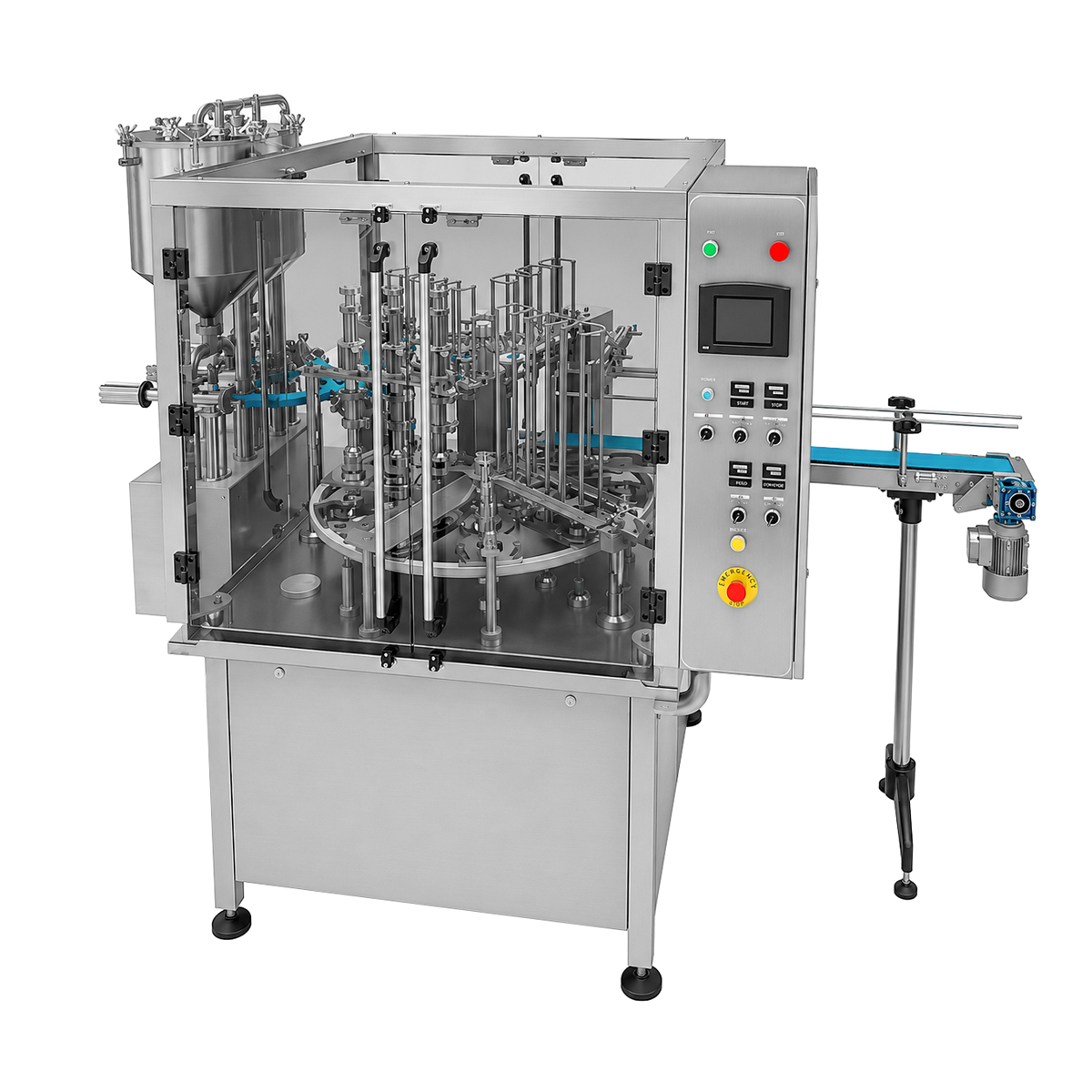
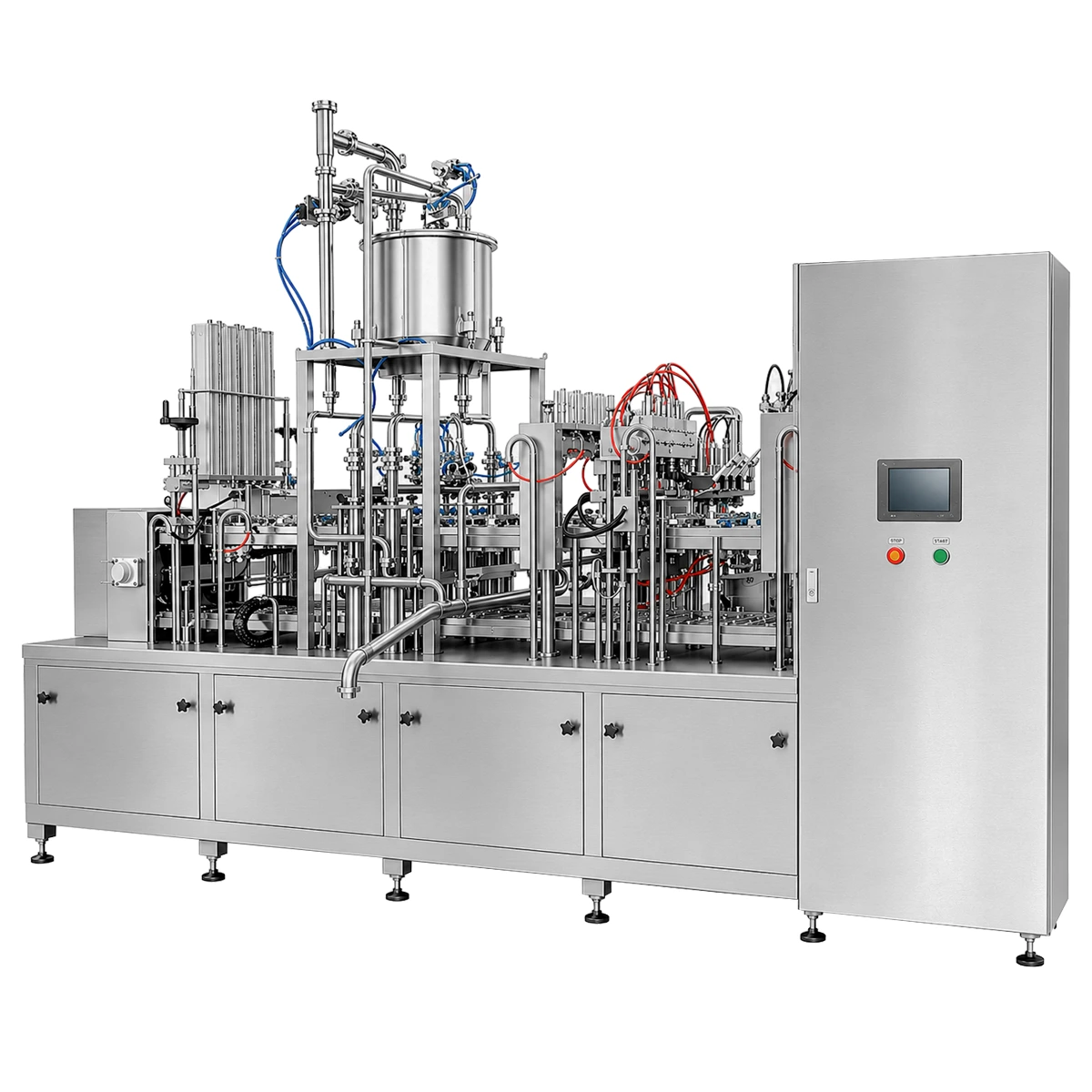
Our Greek Yoghurt Cup Filling Machines

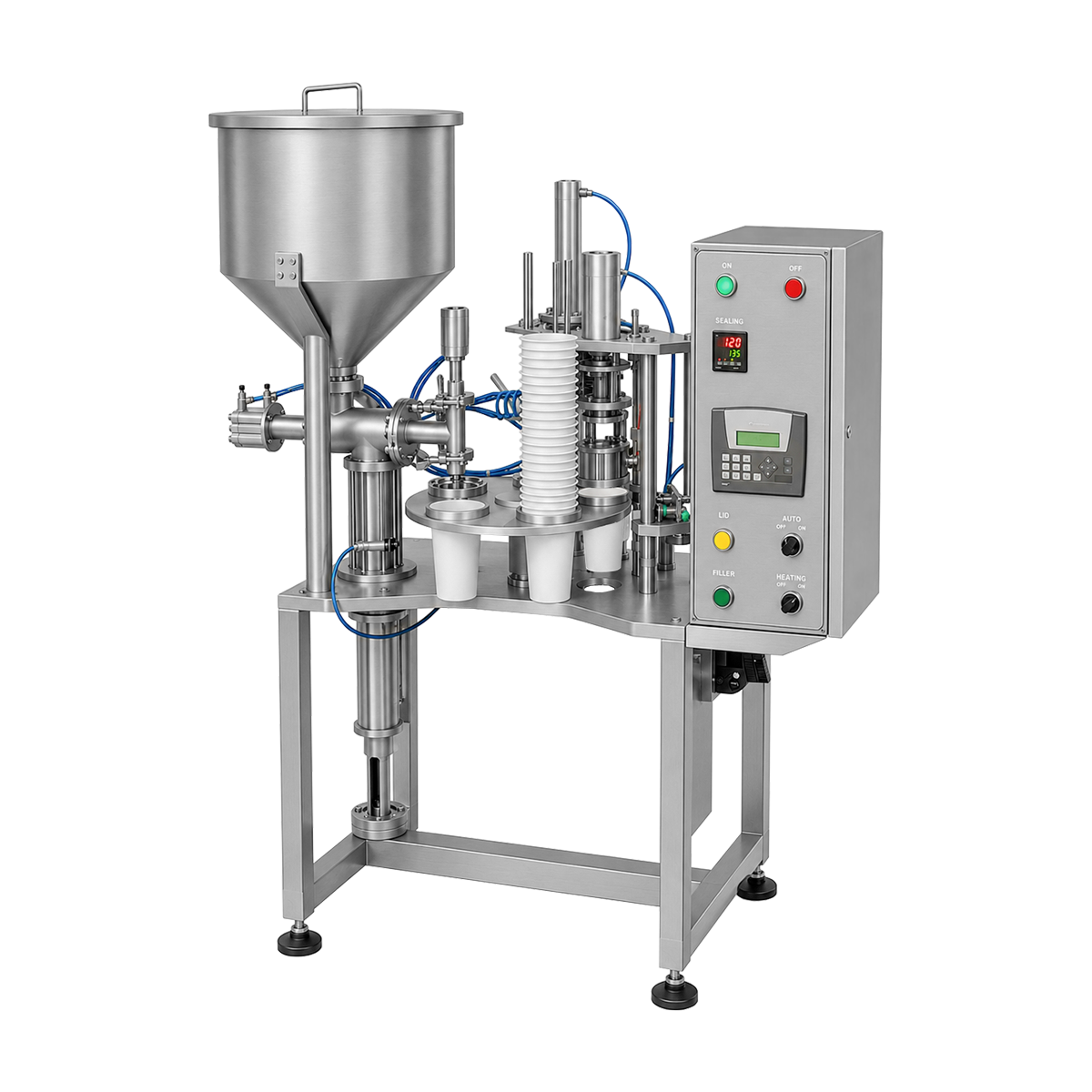
Semi-automatic cup filling and sealing machine for pre-made plastic cups and containers, ensuring accurate filling and secure sealing for dairy and food applications.

Cup Filling Machine SACF-1

Cup Filling Machine RCF-1

Cup Filling Machine RCF-2

Cup Filling Machine RCF-3

Cup Filling Machine LCF

Equipment Selection

Recommended Machine Configuration

Standard Machine Configuration

For most Greek yoghurt applications, we typically recommend a cup filling machine equipped with a standard volumetric piston filling system. Despite the higher viscosity of Greek yoghurt, standard piston dosing technology is suitable for most applications when the filling process is correctly configured. Cup feeding, lid placement and heat sealing, and finished cup discharge are standard functions on all automatic machines and do not normally require any special configuration.

  • Standard volumetric piston filling system
  • Automatic cup feeding, lid placement and heat sealing
  • Automatic finished cup discharge to an outfeed conveyor

Optional Machine Modules

Depending on the packaging format, additional options may be recommended. An integrated UV-C cup treatment system is commonly selected to reduce the microbiological load on the inner surface of the cups before filling. For larger family-size packs, a snap-on plastic cap applicator can also be integrated, allowing the product to be resealed after opening and stored in a refrigerator.

  • UV-C treatment of the inner cup surface
  • Snap-on plastic cap applicator for resealable packaging
  • Integrated date coding systems for batch and expiry information

Dosing System Selection

The dosing system should always be selected according to the product characteristics rather than the product name. In most Greek yoghurt applications, a standard volumetric piston filling system provides accurate and reliable filling performance. For highly viscous products, features such as cup lifting or a descending filling nozzle may also be incorporated to improve product distribution, helping to achieve a smooth, level product surface and minimise trapped air.

  • Standard piston dosing is suitable for most Greek yoghurt applications
  • Cup lifting or a descending filling nozzle can improve product distribution
  • The filling method should be matched to the product characteristics

Ultra-Clean Design

For Greek yoghurt cup filling applications requiring a higher level of hygiene, we recommend an Ultra-Clean configuration. This typically includes UV-C treatment of both the cups and lids, a laminar flow box with HEPA filtration to create positive air pressure within the filling area, and a volumetric piston filling system equipped with aseptic diaphragm valves. Optional inert gas flushing of the filling area and dual-sided piston cleaning during CIP are also available where enhanced hygienic performance is required.

  • UV-C treatment of cups and lids
  • Laminar flow box with HEPA filtration
  • Aseptic diaphragm valves
  • Optional inert gas flushing (e.g. nitrogen)
  • Optional dual-sided piston cleaning during CIP
Packaging Examples

Typical Greek Yoghurt Cup Packaging

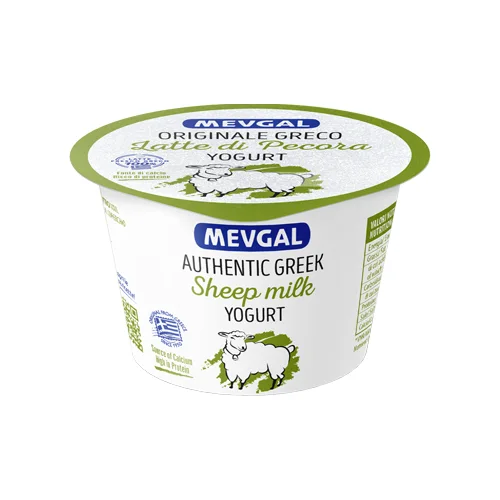
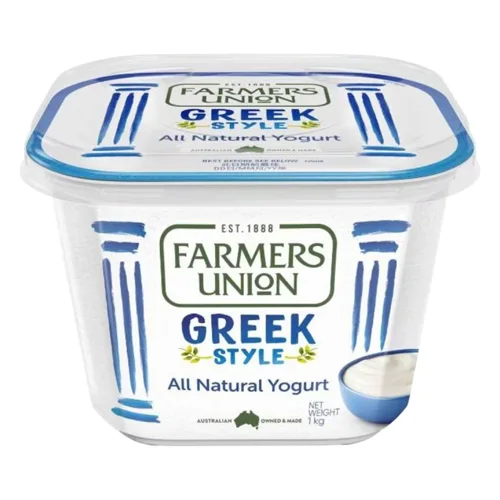
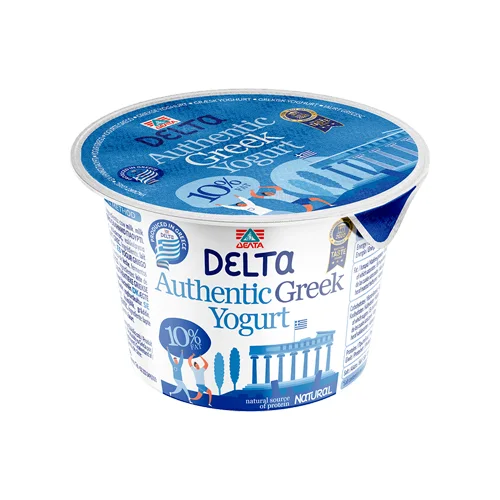
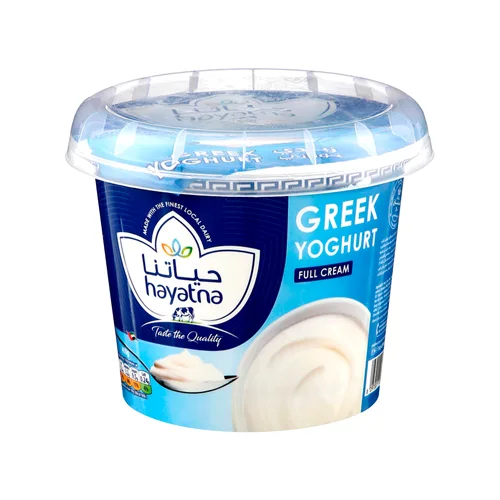
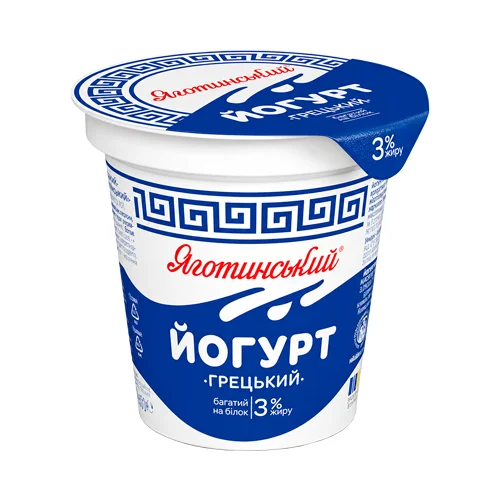
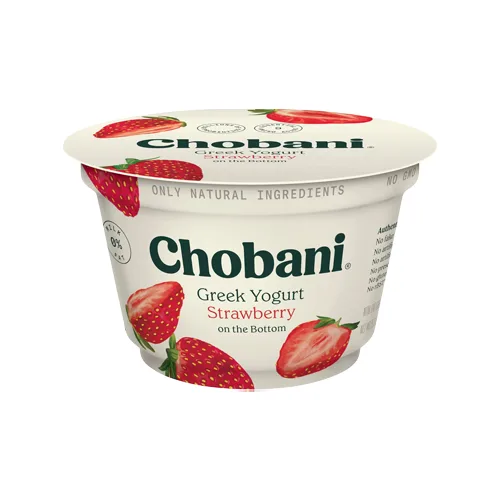
Authentic Greek yoghurt and Greek-style yoghurt are typically packed in larger cup formats than flavoured and fruit yoghurt, reflecting the way these products are often consumed. Depending on the packaging format, cups may be sealed with a lid only or, more commonly, combined with snap-on plastic overcaps for resealable packaging. The examples below illustrate some of the packaging formats commonly used for retail Greek yoghurt and Greek-style yoghurt products.

Get in touch

Planning a Greek Yoghurt Cup Filling Project?

Every Greek yoghurt filling project is different. Product viscosity, cup dimensions, hygiene requirements and production capacity all influence the final machine specification. Contact us to discuss your project, and we’ll help you configure the most suitable cup filling solution for your production.