Yoghurt is the product we encounter most often in dairy cup filling projects. Based on our experience over the past decade, more than 80% of our dairy cup filling projects have involved yoghurt. This reflects its position as one of the most widely packed dairy products in plastic cups.

Unlike drinking yoghurt, which is typically packed in bottles or cartons, stirred yoghurt, set yoghurt, plain yoghurt and fruit yoghurt are most commonly packed in plastic cups sealed with foil lids. Larger packs are often fitted with a snap-on overcap, allowing the product to be resealed and stored in the refrigerator after opening.

The most common yoghurt cup sizes range from 100 to 500 ml. Smaller cups are generally intended for single servings, while larger 500 ml formats are designed for multiple servings. Although yoghurt is packed in a relatively simple package, selecting the right yoghurt cup filling machine requires careful consideration of the product characteristics, filling method and production requirements. The following sections explain the key engineering factors involved in designing an efficient yoghurt cup filling line.
Yoghurt is the product we encounter most often in dairy cup filling projects. Based on our experience over the past decade, more than 80% of our dairy cup filling projects have involved yoghurt. This reflects its position as one of the most widely packed dairy products in plastic cups.

Unlike drinking yoghurt, which is typically packed in bottles or cartons, stirred yoghurt, set yoghurt, plain yoghurt and fruit yoghurt are most commonly packed in plastic cups sealed with foil lids. Larger packs are often fitted with a snap-on overcap, allowing the product to be resealed and stored in the refrigerator after opening.

The most common yoghurt cup sizes range from 100 to 500 ml. Smaller cups are generally intended for single servings, while larger 500 ml formats are designed for multiple servings. Although yoghurt is packed in a relatively simple package, selecting the right yoghurt cup filling machine requires careful consideration of the product characteristics, filling method and production requirements. The following sections explain the key engineering factors involved in designing an efficient yoghurt cup filling line.
Engineering insights

Considerations for Filling Yoghurt

Set Yoghurt vs Stirred Yoghurt

Although stirred yoghurt and set yoghurt are packed in similar plastic cups, they behave differently during filling and should not be treated in the same way when configuring a yoghurt cup filling machine.

Set yoghurt is filled while still in a liquid state before incubation. As a result, the product is more prone to splashing and can also generate foam during filling. To achieve consistent results, particular attention should be paid to the filling speed and the filling sequence. Depending on the machine configuration, this may involve synchronising the product flow with either the upward movement of the cup or the downward movement of the filling nozzle to minimise splashing and maintain a clean filling process.

By comparison, stirred yoghurt is filled into the cup after fermentation and is generally easier to handle during filling. Under normal production conditions, it presents fewer issues with splashing or foaming, making the filling process more stable.

  • Set yoghurt is filled before incubation
  • Stirred yoghurt is filled after fermentation
  • Set yoghurt generally requires greater attention to filling speed and sequence
  • Stirred yoghurt typically provides a more stable filling process

Plain Yoghurt vs Yoghurt with Fruit Pieces

Plain yoghurt can normally be filled using a standard volumetric piston filling system, while yoghurt containing fruit pieces may require specially designed product valves and filling nozzles to accommodate the size of the inclusions without damaging the product or causing blockages in the product flow path.

  • Standard piston filling systems are generally suitable for plain yoghurt
  • Products with fruit pieces may require modified product valves and filling nozzles
  • The maximum inclusion size should be considered when selecting the dosing system

Dual-Layer Yoghurt

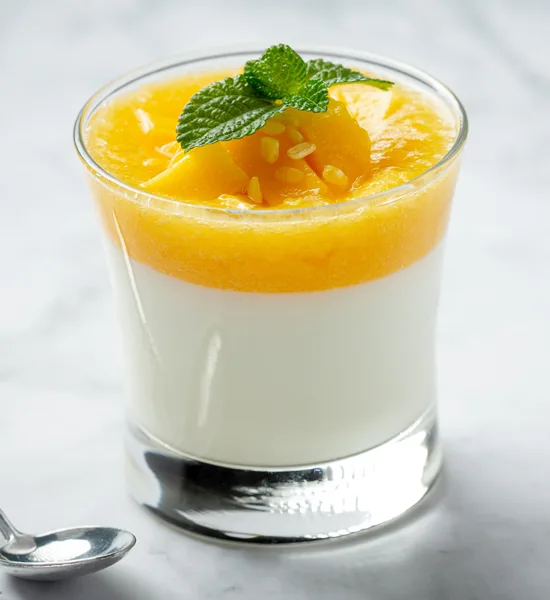
For dual-layer products, two separate dosing stations are often used to deposit the fruit preparation and yoghurt independently.

In practice, achieving reliable performance is not only about selecting the correct filling parameters. The product characteristics, cup diameter, cup height and filling volume should all be considered together when configuring the cup filling machine to achieve stable production, consistent filling accuracy and efficient operation.

  • Two independent dosing stations are typically required
  • The yoghurt and fruit preparation may require different dosing system configurations
  • Each dosing station should be sized according to the required fill volume to maintain dosing accuracy
Machine Range

Our Yoghurt Cup Filling Machines

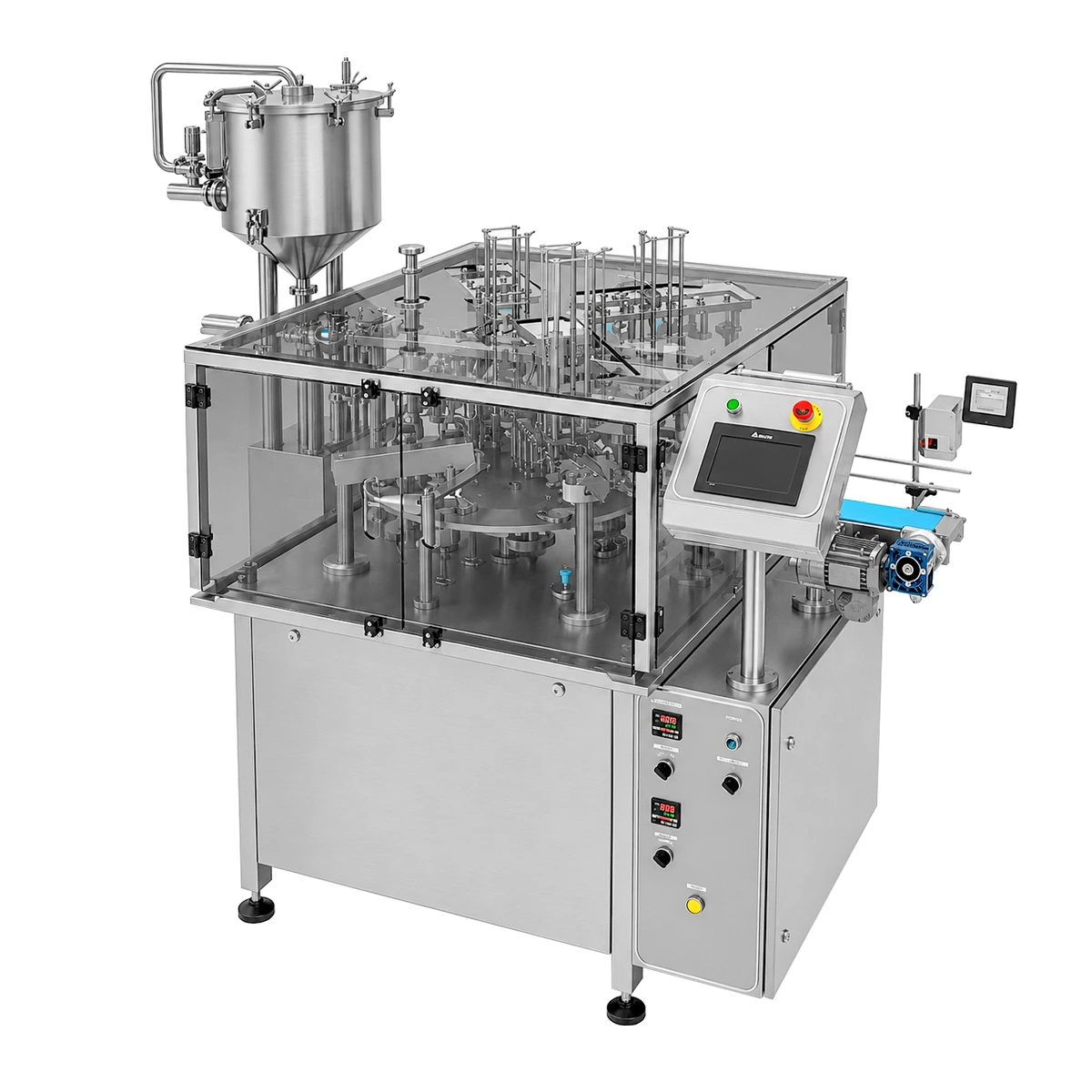
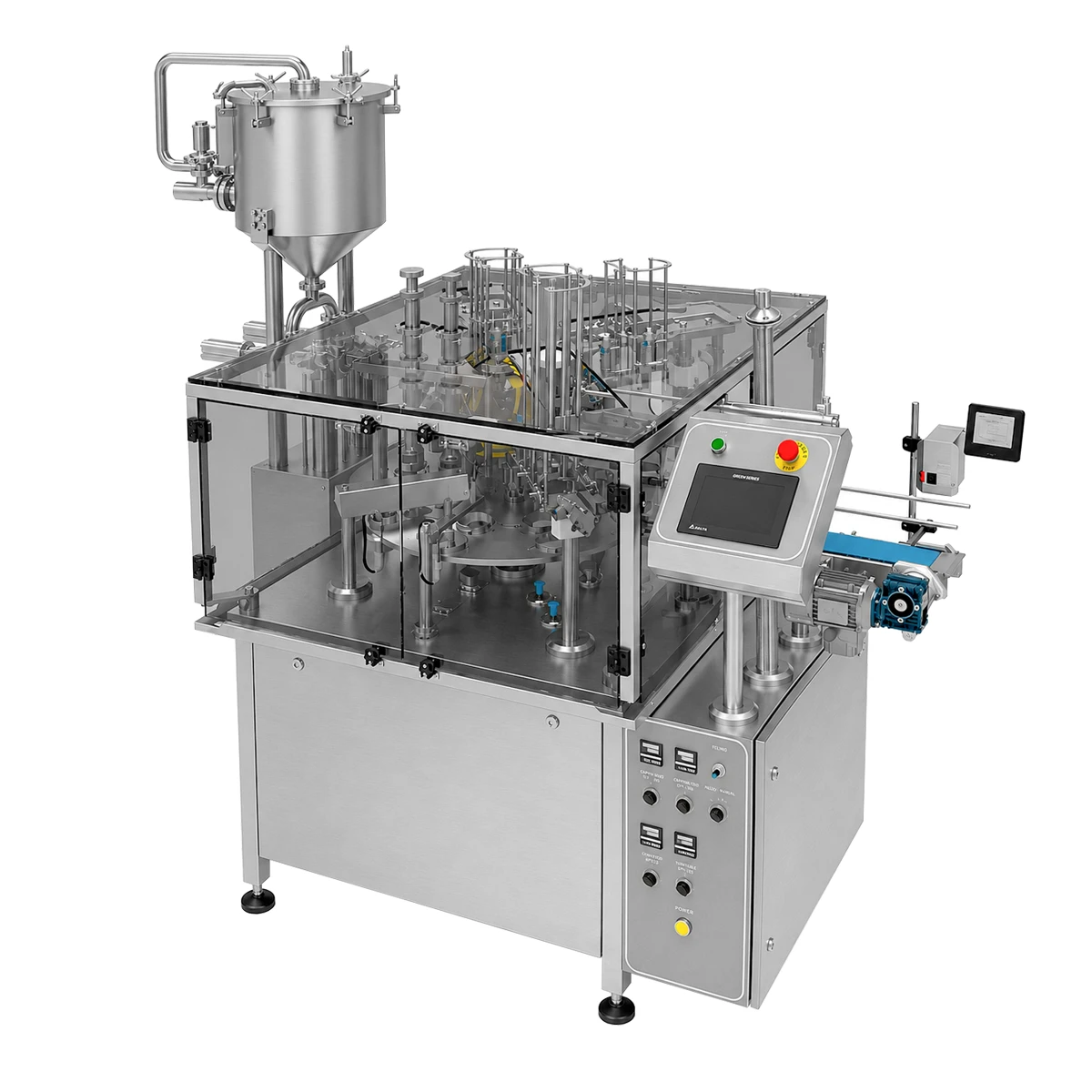
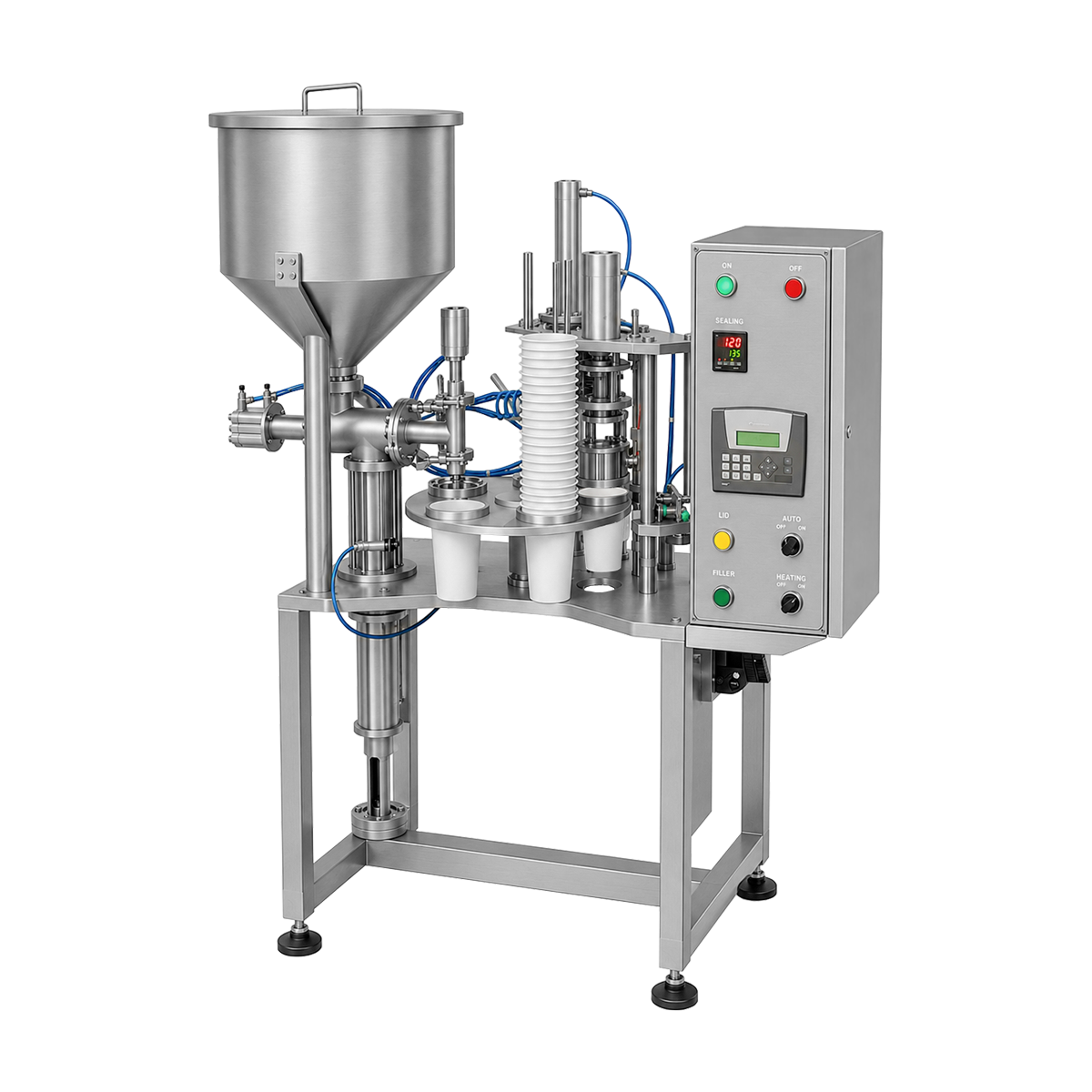
Semi-automatic cup filling and sealing machine for pre-made plastic cups and containers, ensuring accurate filling and secure sealing for dairy and food applications.

Cup Filling Machine SACF-1

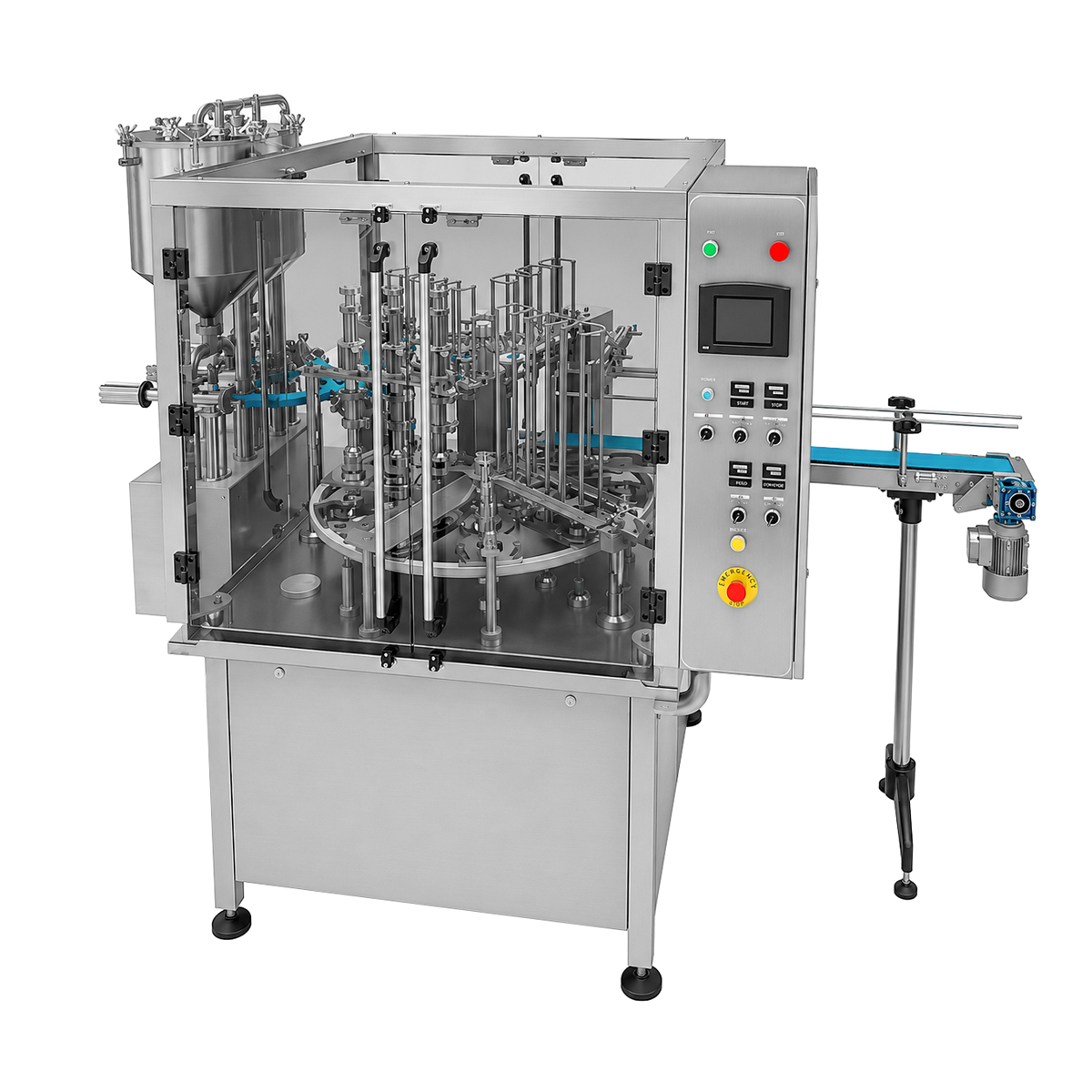
Cup Filling Machine RCF-1

Cup Filling Machine RCF-2

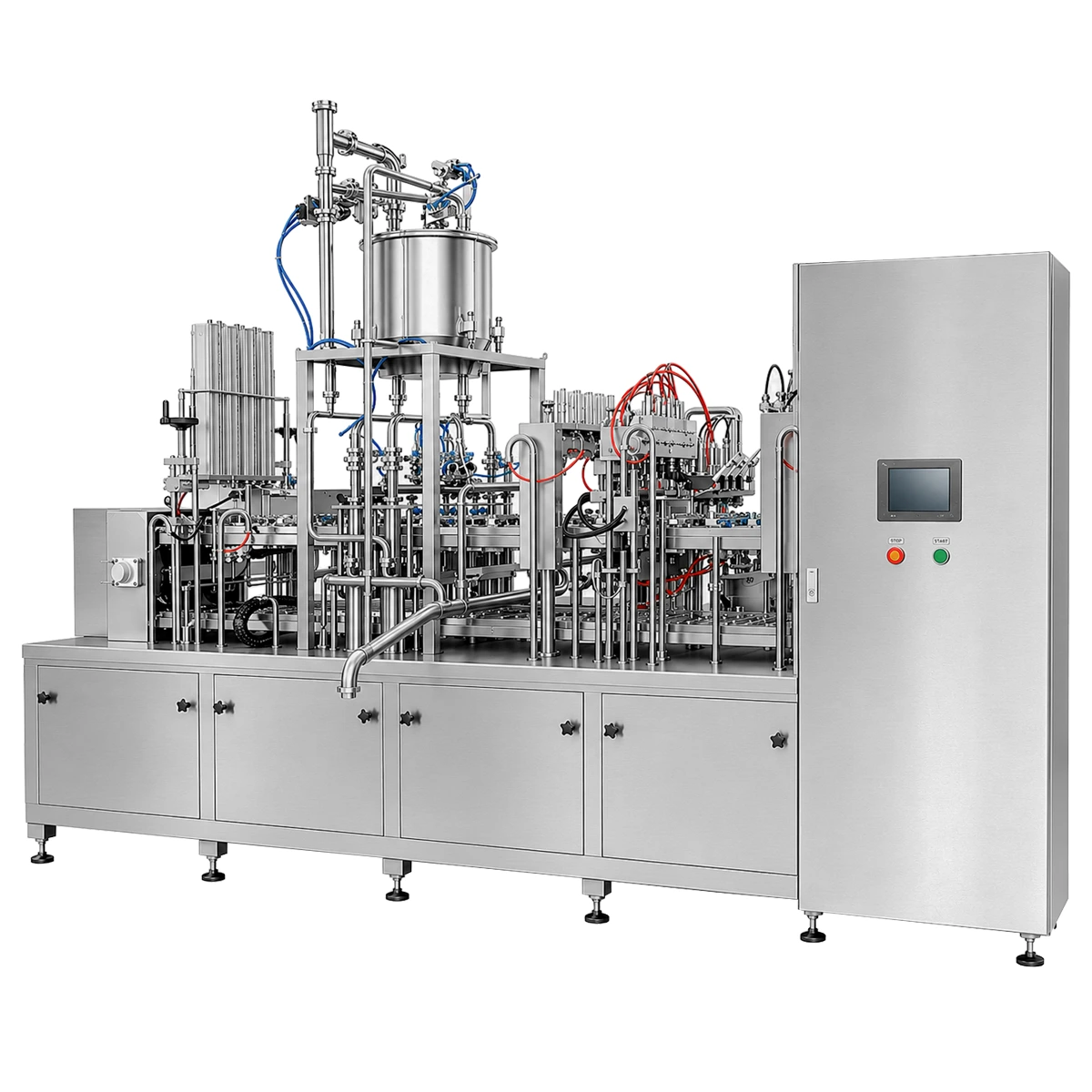
Cup Filling Machine RCF-3

Cup Filling Machine LCF

Equipment Selection

Recommended Machine Configuration

Standard Machine Configuration

For most yoghurt applications, we typically recommend a yoghurt cup filling machine equipped with a standard volumetric piston filling system. Cup feeding, lid placement and heat sealing, and finished cup discharge are standard functions on all automatic machines and do not normally require any special configuration for yoghurt products.

  • Standard volumetric piston filling system
  • Automatic cup feeding, lid placement and heat sealing
  • Automatic finished cup discharge to an outfeed conveyor

Optional Machine Modules

Depending on the packaging format, additional options may be recommended. An integrated UV-C cup treatment system is commonly selected to reduce the microbiological load on the inner surface of the cups before filling. For larger family-size packs, a snap-on overcap applicator can also be integrated, allowing the product to be resealed after opening and stored in a refrigerator.

  • UV-C treatment of the inner cup surface
  • Snap-on plastic cap applicator for resealable packaging
  • Integrated date coding systems for batch and expiry information

Dosing System Selection

When selecting a yoghurt cup filler, the dosing system should always be matched to the yoghurt recipe. Plain yoghurt can normally be filled using a standard volumetric piston filling system, while yoghurt containing fruit pieces may require specially designed product valves and filling nozzles to accommodate the size of the inclusions without damaging the product or causing blockages in the product flow path. For dual-layer products, two separate dosing stations are often used to deposit the fruit preparation and yoghurt independently.

  • The dosing system is configured according to the product specification
  • Different dosing systems can be combined within the same cup filling machine
  • Additional dosing stations can be integrated for multi-component products

Ultra-Clean Design

For yoghurt cup filling applications requiring a higher level of hygiene, we recommend an Ultra-Clean configuration. This typically includes UV-C treatment of both the cups and lids, a HEPA filtration unit with a laminar flow box to create positive air pressure within the filling area, and a volumetric piston filling system equipped with aseptic diaphragm valves. An inert gas flushing system for the filling area and an enhanced piston cleaning system, allowing both sides of the measuring cylinder piston to be cleaned during CIP, are also available as optional features.

  • UV-C treatment of cups and lids
  • Laminar flow box with HEPA filtration
  • Aseptic diaphragm valves
  • Optional inert gas flushing (e.g. nitrogen)
  • Optional dual-sided piston cleaning during CIP
Packaging Examples

Typical Yoghurt Cup Packaging

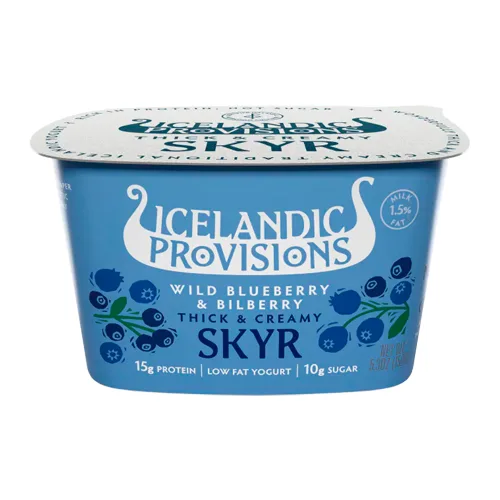
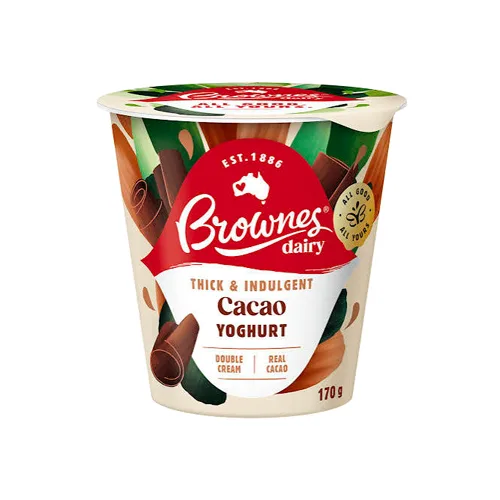
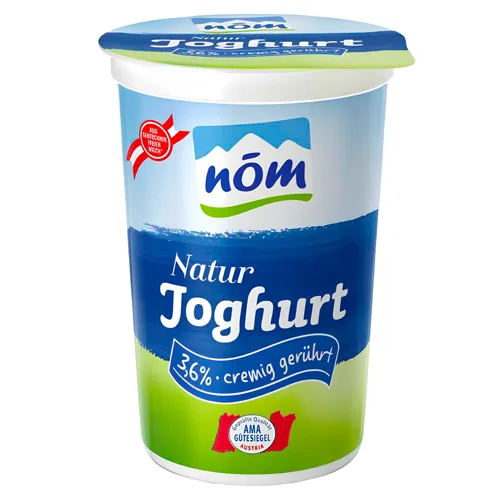
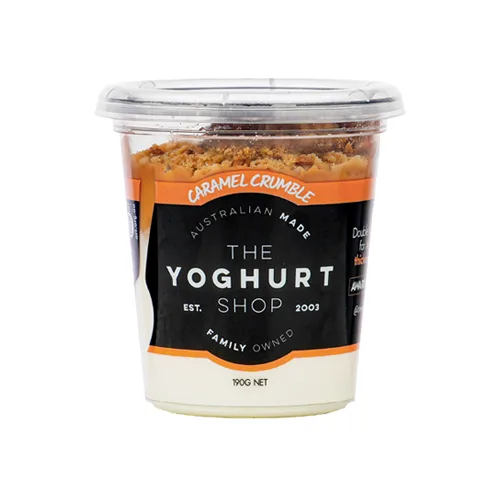
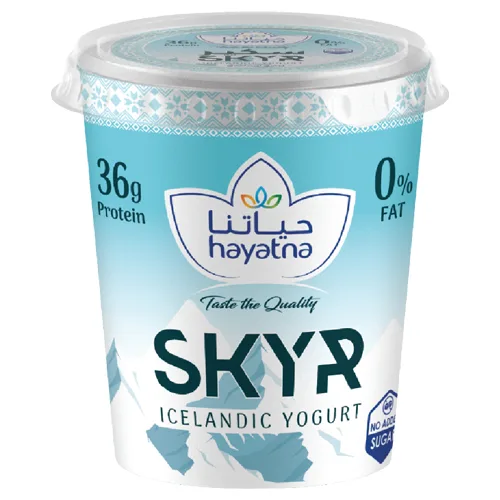
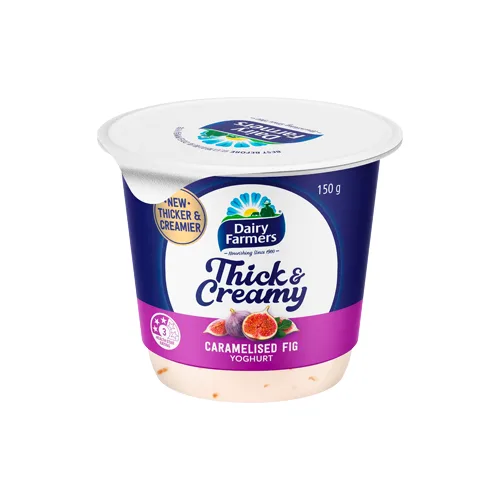
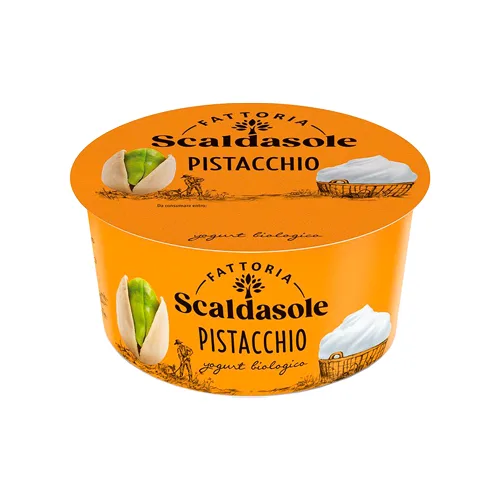
Yoghurt is packed in a wide variety of plastic cups, from small single-serve portions to larger family packs. Depending on the product, cups may be sealed with foil or plastic lids only, or combined with snap-on overcaps for resealable packaging. The examples below illustrate some of the packaging formats commonly used for retail yoghurt products.

Get in touch

Planning a Yoghurt Cup Filling Project?

Every yoghurt filling project is different. Product viscosity, fruit inclusions, cup dimensions, hygiene requirements and production capacity all influence the final machine specification. Contact us to discuss your project, and we’ll help you configure the most suitable cup filling solution for your production.