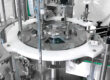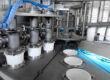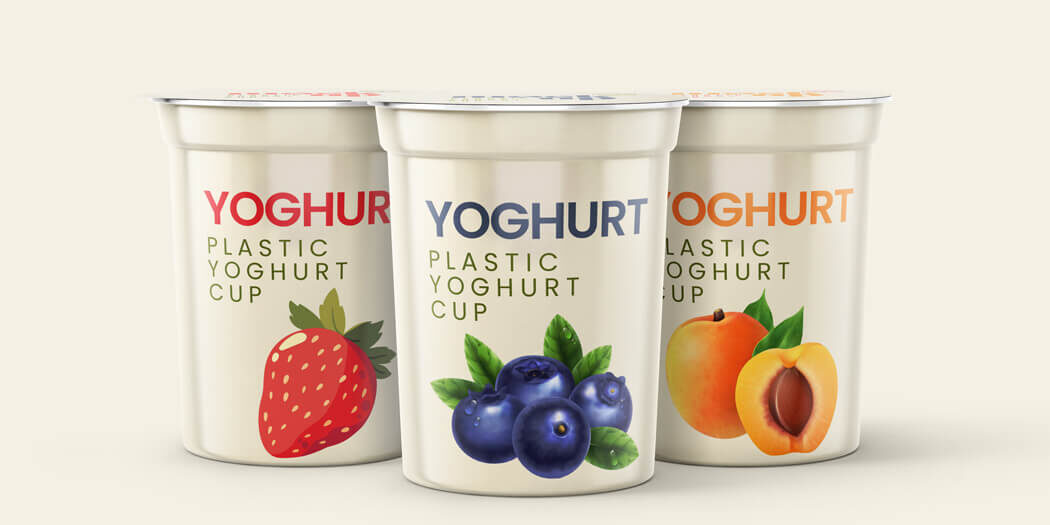
Yoghurt cup filling machines are essential in the dairy processing industry, addressing the growing need for convenient yoghurt packaging. With various yoghurt types—from traditional set and stirred varieties to creamy Greek-style and fruit-infused options—automated filling machines cater to different production needs. This guide explores yoghurt packaging in cups, the machinery involved, and important factors to consider when selecting the right yoghurt cup filling system.
Yoghurt Types and Their Packaging Requirements
Yoghurt comes in various types, each with unique characteristics that influence the packaging process:
- Set Yoghurt: Thick with a smooth texture, set during fermentation. Being liquid during filling, it poses risks of splashing out of the cup. Features like cup elevation during filling and specific filling systems for liquid products help ensure a smooth process.
- Stirred Yoghurt: Creamier, stirred after fermentation. Its higher viscosity during filling requires a suitable filling system, such as a volumetric piston filler, which is ideal for semi-viscous or viscous products.
- Flavoured Yoghurt: Varieties like vanilla, strawberry, or other fruit flavours, mixed directly into the yoghurt before filling. A piston filling system is typically the preferred choice for this yoghurt type, as it ensures accurate dosing control.
- Strained Greek-Style Yoghurt: Thick with a high protein content, available in both plain and flavoured forms. A volumetric piston filler is the most suitable filling system for this product type. For high-viscosity recipes, an additional feature like an auger feeder is used to gently feed the product into the piston filler’s measuring cylinder.
- Yoghurt with Fruit Chunks: Contains fruit pieces, which require careful handling during filling. This product demands a modified volumetric piston filling system, with special bypass and dosing valve designs to prevent the fruit pieces from blocking the system and avoid particle damage from high-pressure forces.
- Yoghurt with Fruit Jam Layer: Features a layer of fruit jam on top or at the bottom, requiring a multi-stage filling process with separate filling stations for the jam and yoghurt to maintain proper separation.
Depending on the cup size, there may also be an optional unit for snap-on plastic covers, typically used for larger cup volumes where the product is not consumed all at once.
Cup Materials and Lidding
The choice of cup material plays a key role in sustainability and consumer preference:
- Polypropylene (PP): Manufacturers commonly use this material for yoghurt cups because it provides rigidity, temperature resistance, and excellent sealing properties.
- Polystyrene (PS): PS used to be a popular choice for yoghurt cups, but its use has declined due to environmental concerns and recycling difficulties.
Lids are generally made from:
- Aluminium Foil: Coated with a heat-adhesive lacquer, aluminium foil creates a secure, tamper-evident seal.
- Laminated Films: These films consist of multiple layers, with the innermost layer designed for heat sealing to ensure a strong, reliable seal.
Types of Yoghurt Cup Filling Equipment
The choice of filling machinery depends on the yoghurt type, production capacity, and required hygiene standards:
- Semi-Automatic Cup Fillers: These machines suit smaller-scale production and serve as an ideal choice for start-ups and artisan dairy manufacturers.
- Rotary Cup Fillers: Best for moderate to high output, rotary fillers can handle 1-3 lanes simultaneously.
- Linear Cup Fillers: Designed for high-speed, high-capacity production lines, these machines can handle 4 or more lanes at the same time.
Hygiene Standards for Yoghurt Fillers
Yoghurt cup filling machines come in various designs, depending on production requirements:
- Clean Version: This version meets standard hygiene requirements, making it suitable for most yoghurt packaging applications.
- Ultra-Clean Version: Equipped with additional features like UV sterilisation units for cups and lids, a laminar flow system with a HEPA filter, and MAP (Modified Atmosphere Packaging) with nitrogen flushing, this design is essential for products that demand stringent hygiene controls and extended shelf life.
Making the Right Choice for Your Yoghurt Filling Project
Choosing the right yoghurt cup filling machine involves considering factors such as the product type, production capacity, hygiene standards, and shelf life requirements. Whether you opt for a semi-automatic machine or high-capacity filler, the goal is to achieve efficient, hygienic, and sustainable packaging that meets consumer expectations. Staying informed about material innovations and sustainability initiatives will help you make well-informed decisions for your production needs.
Contact us for expert advice on your yoghurt packaging project – we’re here to guide you through every step and help you select the perfect solution for your business.