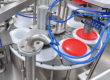
A vital part of the food supply chain is food packaging. It helps to ensure that food is safely transported and stored. Gases have become increasingly popular in food packaging as they extend shelf life, keep food fresh, and maintain flavour.
Oxygen
One of the most commonly used gases in food packaging is oxygen. A highly reactive gas, oxygen, can spoil food by reacting with it. Removing oxygen from the food packaging environment keeps food fresh for extended periods. Modified atmosphere packaging (MAP) helps achieve oxygen removal. This process involves replacing the air inside the packaging with a specific mixture of gases that are not reactive to food, including nitrogen and carbon dioxide.
Nitrogen
Nitrogen is often used in MAP to displace oxygen and reduce the risk of spoilage. It does not react with food, and also nontoxic and nonflammable. This gas is standard for packaging snacks, coffee, nuts, and dried fruits.
Carbon dioxide
Carbon dioxide is another inert gas commonly used in MAP. Additionally, this gas prevents the development of microorganisms that can lead to spoilage. Therefore, carbon dioxide is common for packaging meat, poultry, seafood, and filling carbonated beverages.
Ethylene
Another gas that is used in food packaging is ethylene. Ethylene is a natural plant hormone some fruits and vegetables produce as they ripen. It can be used in modified atmosphere packaging to speed up the ripening of some fruits, like avocados and bananas, or to prevent the ripening of other fruits, like strawberries.
In addition to these gases, other gases are used in food packaging for specific purposes. For example, hydrogen in certain food products reduces the risk of oxidation, while argon in wine preserves colour and flavour.
Despite the benefits of using gases, there are concerns about their use. For example, leaks and contamination can affect food quality and safety. Using certain gases, such as ethylene, can have negative environmental impacts if improperly disposed of.
In conclusion, gases play an essential role in the food packaging industry, helping to ensure that food stays fresh and flavorful longer. While there are some concerns about their use, the benefits of using gases in food packaging are significant and have helped improve our food supply’s safety and quality. We can expect to see even more innovative uses as food technology advances.